So close — you can’t see it
So deep — you can’t fathom it
So simple — you can’t believe it
So good — you can’t accept it
Meditation
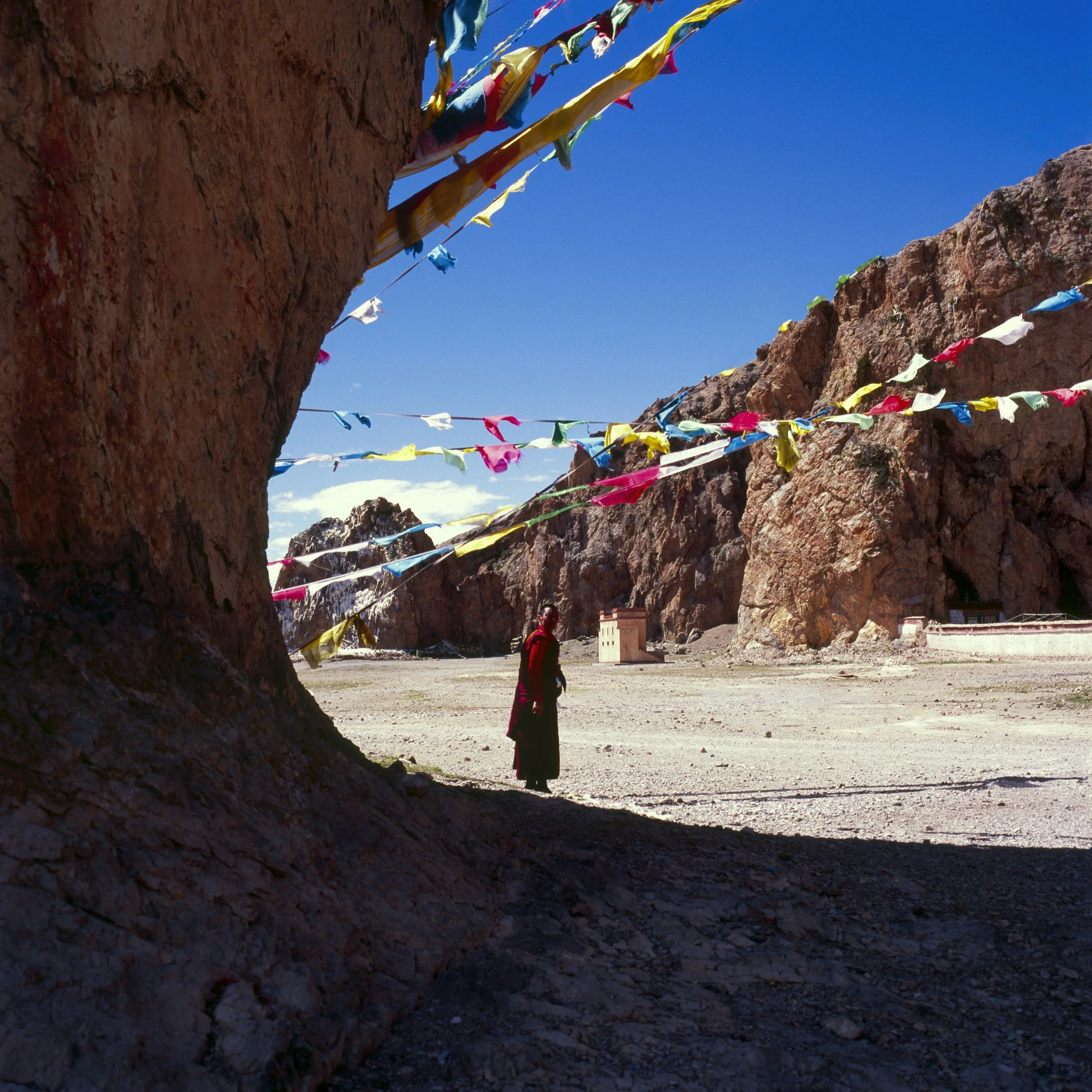
Meditation can transform how we experience ourselves and the world. It can open us to a more spacious, clear and liberated awareness rooted in presence and direct experience. Below are four flavours of practice, each offering a distinct doorway into deeper presence and freedom:
Vipassana (Insight Meditation): Vipassana is an open-monitoring practice that cultivates deep insight into the nature of mind, self and reality. The term Vipassana means "clear seeing" or "insight." By observing thoughts, sensations, and emotions without judgment or attachment, practitioners begin to perceive the impermanence, unsatisfactoriness, and selfless nature of all phenomena — known as the Three Marks of Existence: Anicca (impermanence), Dukkha (suffering or unsatisfactoriness) & Anatta (not-self).
Samatha (Calm Abiding): Samatha is a concentration-based practice that gently trains the mind to rest in the present moment. By focusing on a single object, often the breath, it cultivates calm, clarity, and sustained attention. Over time, this practice purifies the mind, reduces mental agitation, and builds a stable foundation for deeper meditative absorption known as samadhi, and accessing the transformative states known as jhana.
The Brahmavihāras (Four Sublime States): Through consistent practice, the Brahmavihāras nurture open-hearted awareness, emotional resilience, and a deeper connection to others. They also support the development of jhānic states, deep meditative absorptions. These heart-based practices cultivate qualities of Metta (loving-kindness), Karuna (compassion), Mudita (sympathetic Joy) & Upekkha (equanimity).
Emptiness & Awareness: Practices such as Silent Illumination and Dzogchen, help settle the practitioner in this moment right now, unadulterated, and point to the nature of mind, beyond concepts, stories, or egoic identity. With the practice of Dzogchen, we learn to stabilise non-dual awareness, what’s known as RIGPA.
-

1:1 Guidance
Meditation guidance online.
-

Workshops
Meditation based workshops and events.
-

Retreats & Trainings
Meditation based retreats and trainings.
Meditation Packages
If you feel called to deepen your meditation practice, single sessions and blocks of four and eight can be scheduled below, covering a broad range of techniques from various Buddhist lineages, non-dual methods, and more secular means.