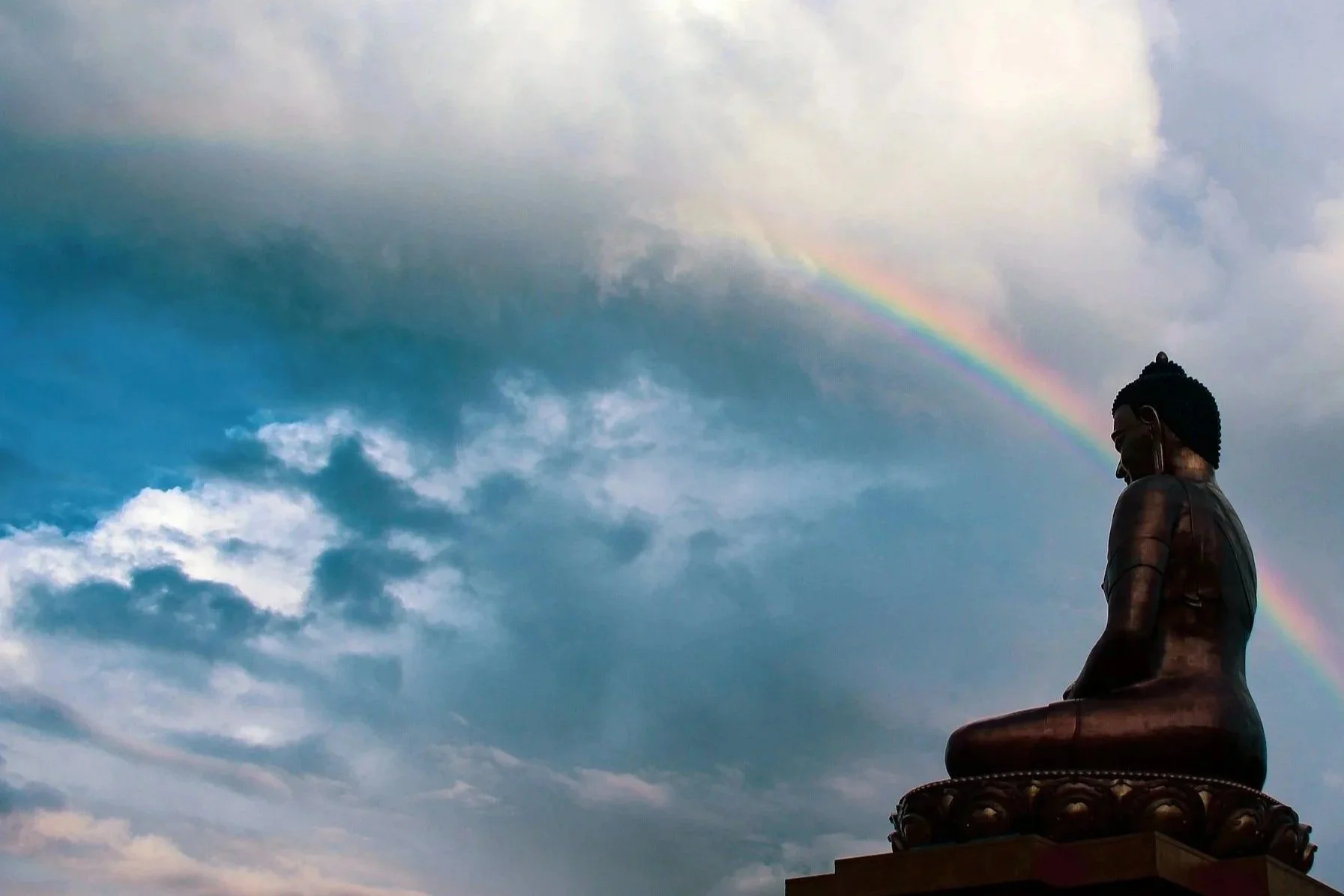
Himalayan Journey
Three Traditions, One Path
21 Day Meditation Training
2nd - 23rd May 2027
India
Our 21-Day Meditation Retreat & Immersion in the Foothills of the Himalayas
Join us for a 21-day meditation retreat and immersion in the foothills of the Himalayas in May 2027, exploring practices and teachings from the main schools of Buddhism as we steep ourselves in the path of awakening through teachings and guided meditation — opening ever more fully to the boundless nature of mind.
Over three weeks, we will journey into the Unconditioned — exploring the qualities of non-conceptual awareness and pure presence. Whether you're just beginning to sit or you've been practicing for years and feel called to guide others, this training meets you where you are. In the quiet foothills of the Himalayas, you'll step away from the noise of ordinary life and into a rhythm built entirely around practice, study, and stillness.
This isn't a single-tradition retreat. Together, we'll draw from the three main schools of Buddhism — Theravāda, Zen, and Tibetan Dzogchen — to explore a map of the path to insight and awakening, as it has been taught and refined for over 2,500 years. This is a rare opportunity for a sustained, immersive dive into practice — and, if you're called, into the training to guide others.
What will be taught?
The course is built on four main meditation pillars: Samatha, Vipassana, the Brahmavihāras, and Emptiness & Awareness practices. Across these four pillars, you'll come to know your breath intimately, work hands-on with a wide range of insight meditation techniques, open the boundless qualities of the heart, and settle into the nature of mind — all while deepening your own practice.
We'll understand the mind by developing Paññā (wisdom):
Working with the hindrances — the obstacles that arise in meditation — learning how to meet and work with them, and building the capacity to sit for longer periods. We'll also discuss the nature of insight and awakening, so we know the destination for the journey.
We'll also cover the foundations of guiding others:
Postures and mudras — how to sit and channel energy — how to hold space, how to guide meditations, how to help others work with and move through the hindrances, and how to get started with group practice.
You don't need any desire to teach. These teaching elements are woven in for those who want them, with no obligation for anyone else.
What will I learn?
Samatha
Absorption, samādhi and jhāna
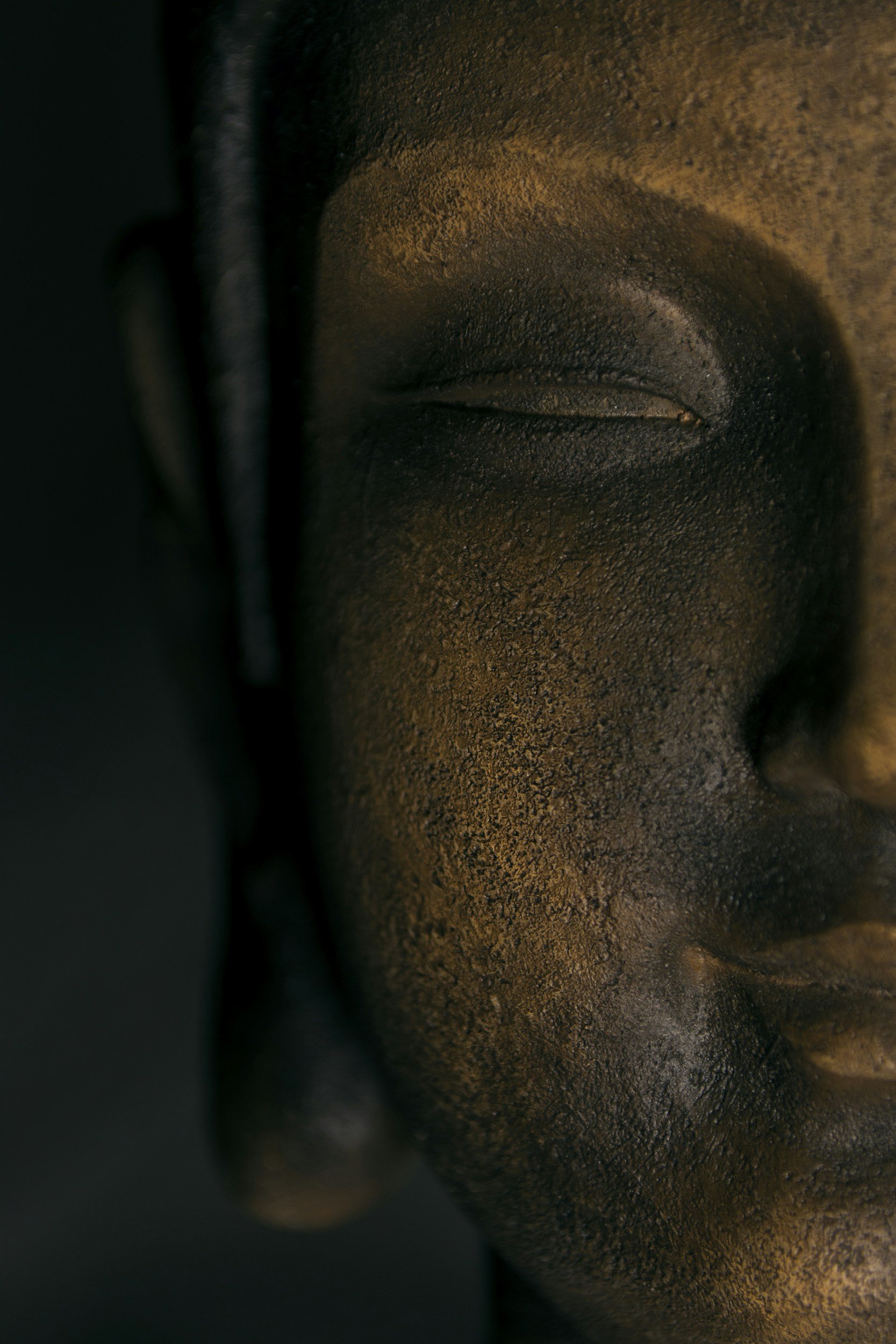
The art of steadying and settling the mind, and the deep states of stillness this makes possible. Samatha, often translated as calm abiding, is typically cultivated through anchors such as the breath. This practice gradually quiets mental agitation and distraction, giving rise to a clear, stable, and workable mind. Samatha builds the concentration faculty and inner spaciousness that make deeper insight possible, while also helping to purify the mind-stream, giving rise to absorption, samādhi and jhāna. We'll explore progressive stages of settling the mind, working with the subtle balance between effort and ease that allows genuine stillness to emerge — building the foundations for this immersion.
Vipassana
The Path of Insight
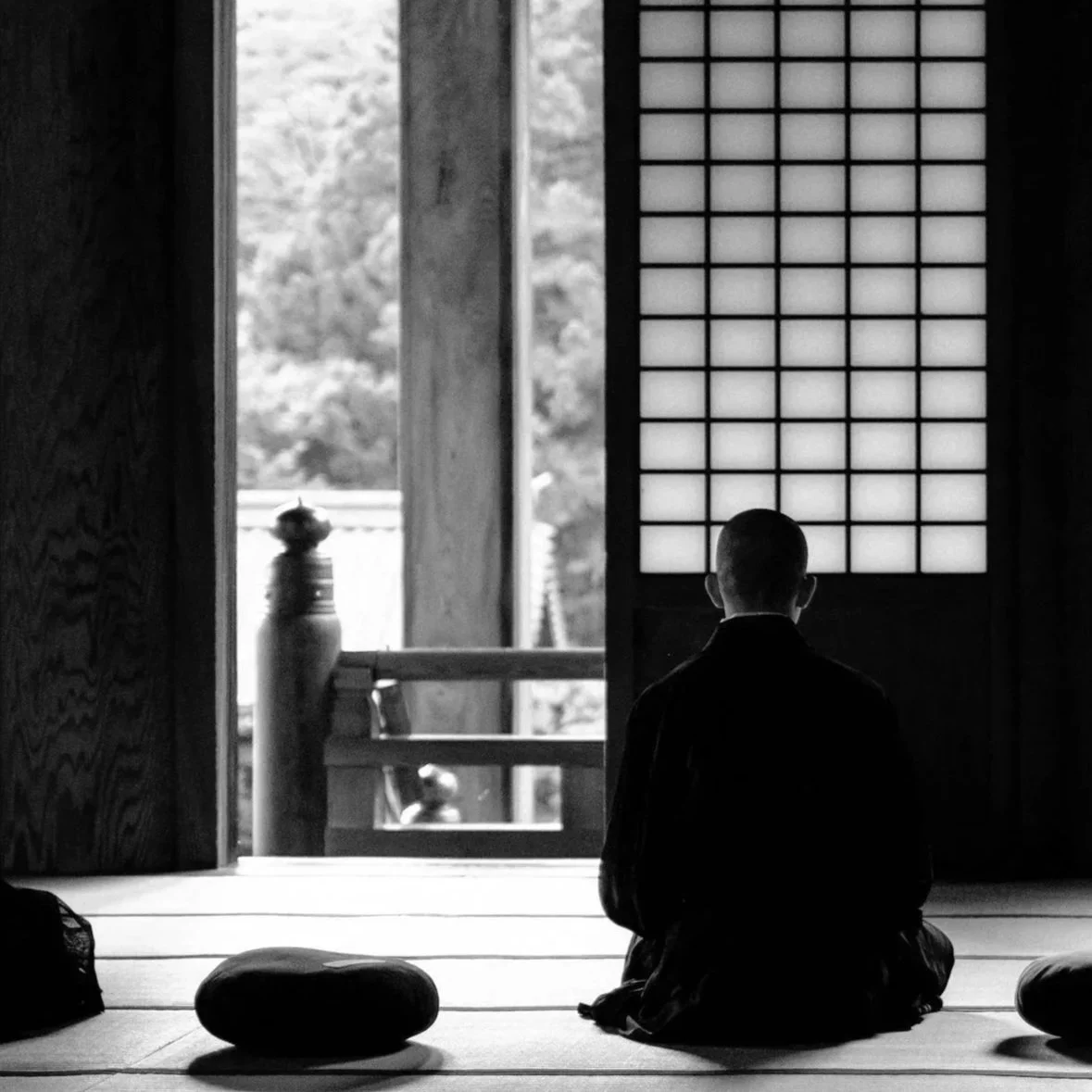
Vipassanā — from vi, meaning "clear" or "special," and passanā, "seeing" — means seeing clearly into the true nature of phenomena. It's a practice of investigation rather than absorption: where samatha calms and steadies the mind, Vipassanā turns that steadiness onto experience itself, examining it directly, moment by moment.
Our exploration is grounded in the Satipatthāna Sutta, one of the Buddha's most influential teachings, described as a "direct path" to freedom from suffering. Its four foundations of mindfulness — body (kāya), feelings (vedanā), mind (citta), and mental objects (dhamma) — together offer a complete map of experience, one that reveals its actual nature: impermanent, unsatisfying, and without a fixed self.
This isn't an intellectual exercise. It's a way of looking that, practiced consistently, can fundamentally shift our relationship to experience — and to suffering itself. Over the course, we'll work with several complementary approaches to insight practice, developing the discernment that lets wisdom mature in its own time.
Metta & the Brahmaviharas
The Four Immeasurables
The Brahmaviharas — loving-kindness (metta), compassion (karuna), sympathetic joy (mudita), and equanimity (upekkha) — are known as the four immeasurable qualities of the heart. Together they form a path of practice that dissolves the boundaries we place between self and other, cultivating a boundless warmth and openness toward all beings, including ourselves. Rather than simply generating positive feeling, these practices reveal and remove the habitual patterns of separation and aversion that limit our capacity to love. We'll work progressively through each of the four immeasurables, exploring how they support and deepen one another as a unified path of heart-opening.

Emptiness & Awareness Practices
The Great Perfection
From awareness-based Zen practices such as shikantaza — Zen's practice of "just sitting" — to Dzogchen, we'll explore teachings that point directly to the innate purity and spontaneous presence of our own awareness.
Rather than a gradual path of accumulation, Dzogchen offers direct recognition of mind's true nature: open, luminous, and already complete. Through practices such as Rushen and Trekchö, we'll trace the stages by which practitioners come to rest ever more fully in natural awareness (rigpa).
What's offered here is an overview rather than a formal transmission in the lineage-holder sense — a single drop from the vast ocean of what's known as Dzogchen.
Weekly Schedule
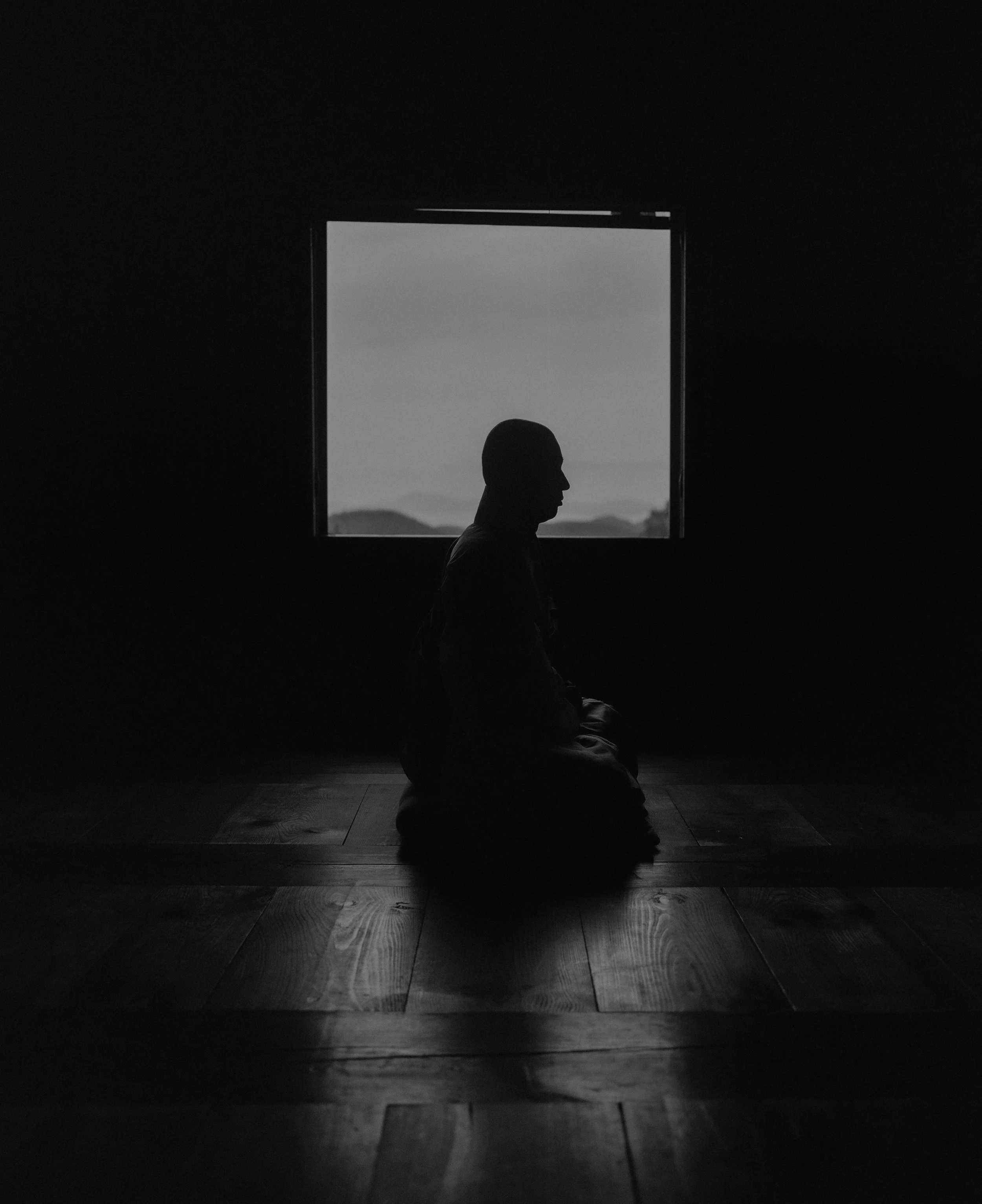
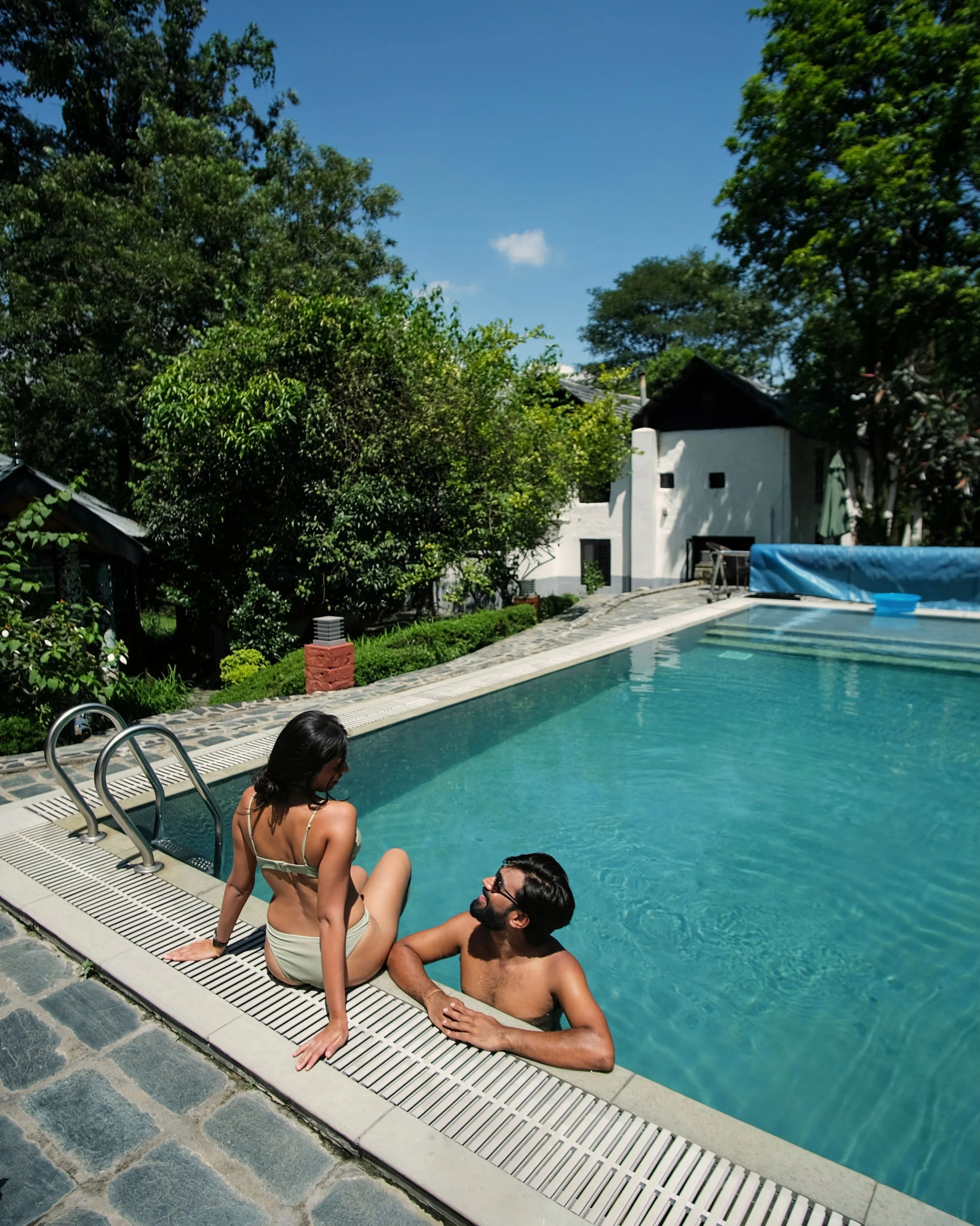
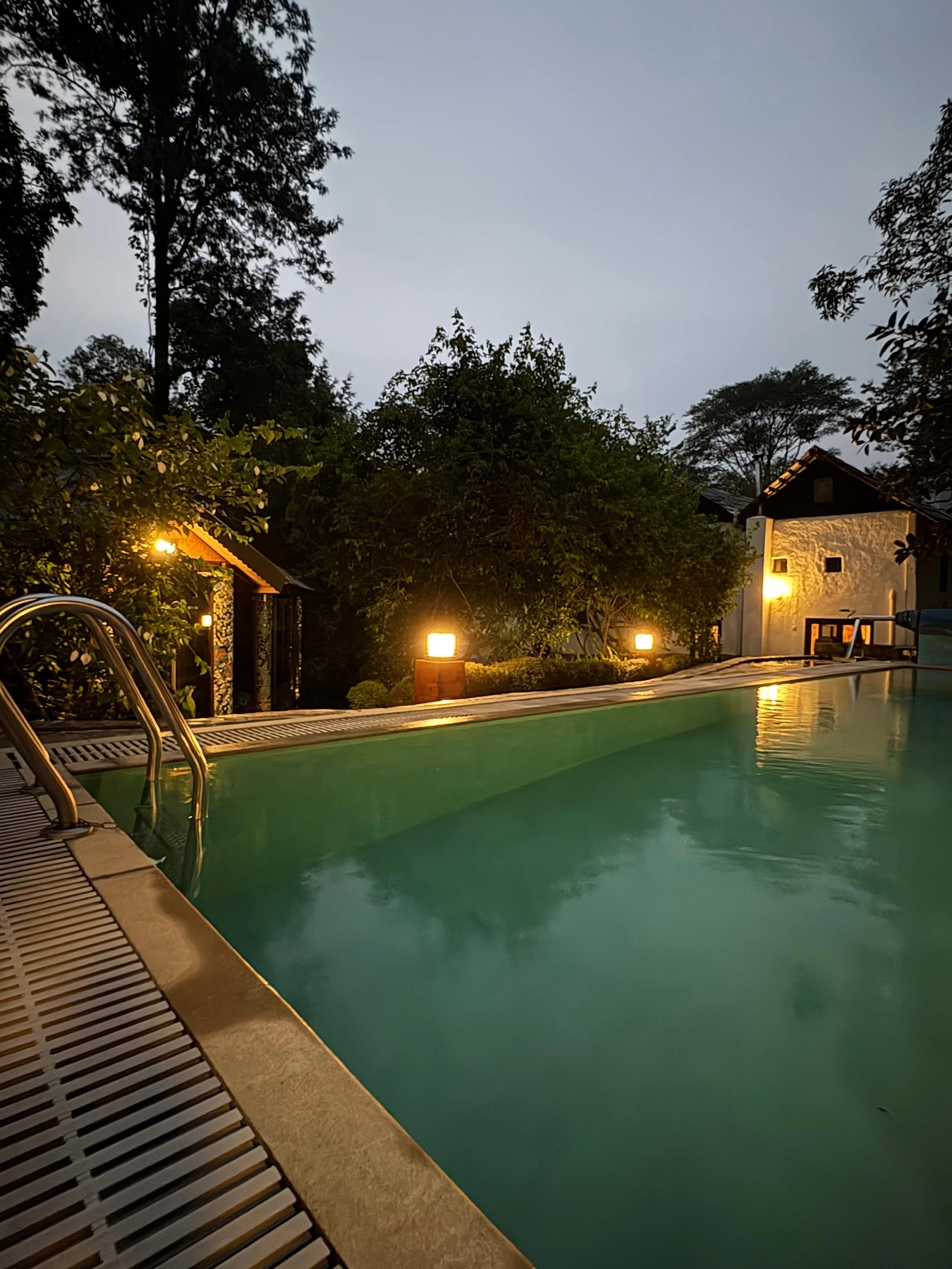
The immersion is structured around sitting practice and teachings, with more time for meditation as we settle into the rhythm, before easing out of the container over the final few days. Most days run from 6:00am to 6:00pm. In the evenings, there’s a Dharma talk and optional group sit. There’s a free afternoon on Saturdays and a full day off on Sundays – relax and enjoy the surrounding hills, or take your practice outdoors. On rest days, you are welcome to use the swimming pool and steam room on-site. Some meditation slots are optional, while others will be encouraged. Each day runs on a steady rhythm designed to let practice deepen naturally.
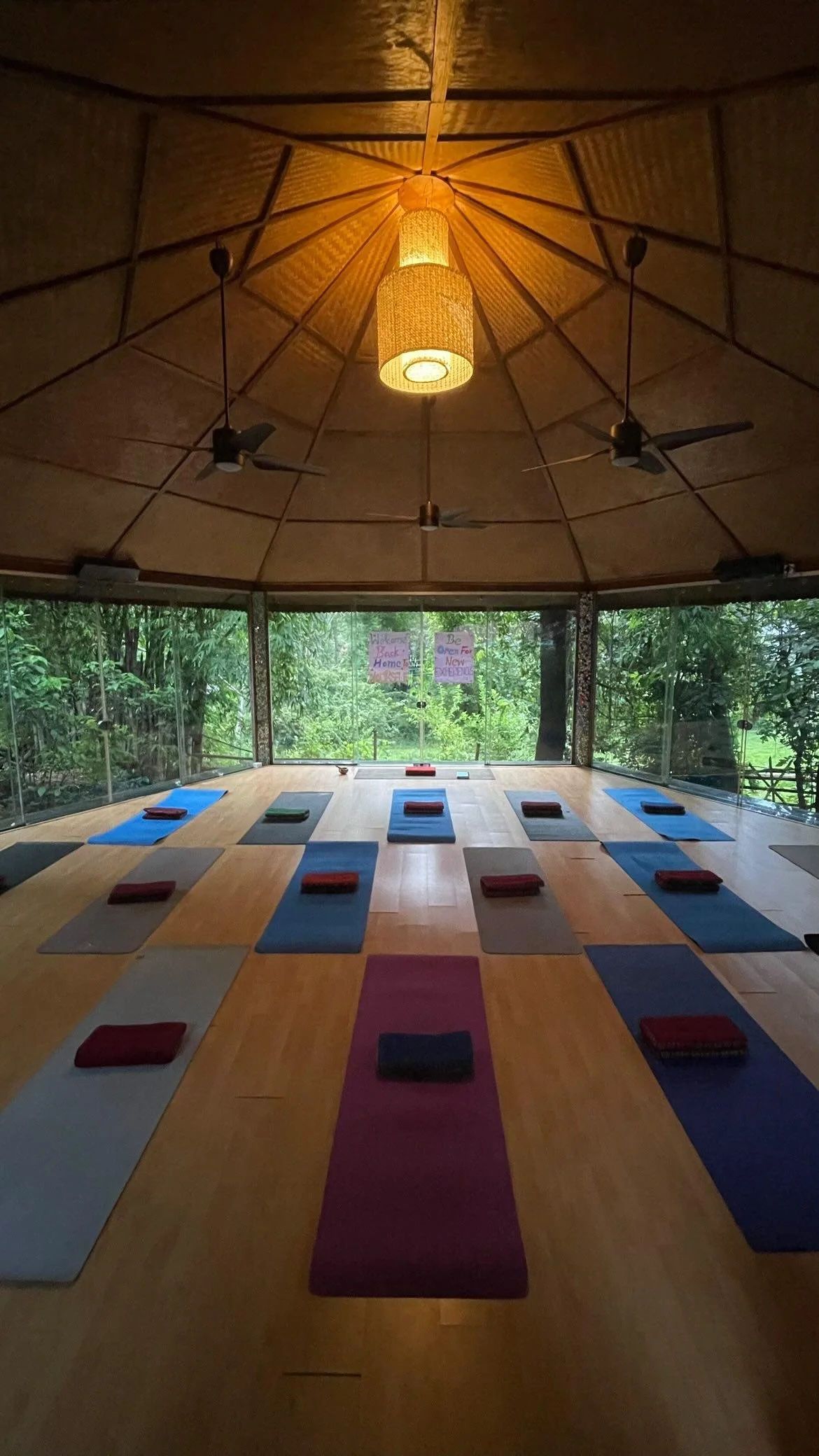
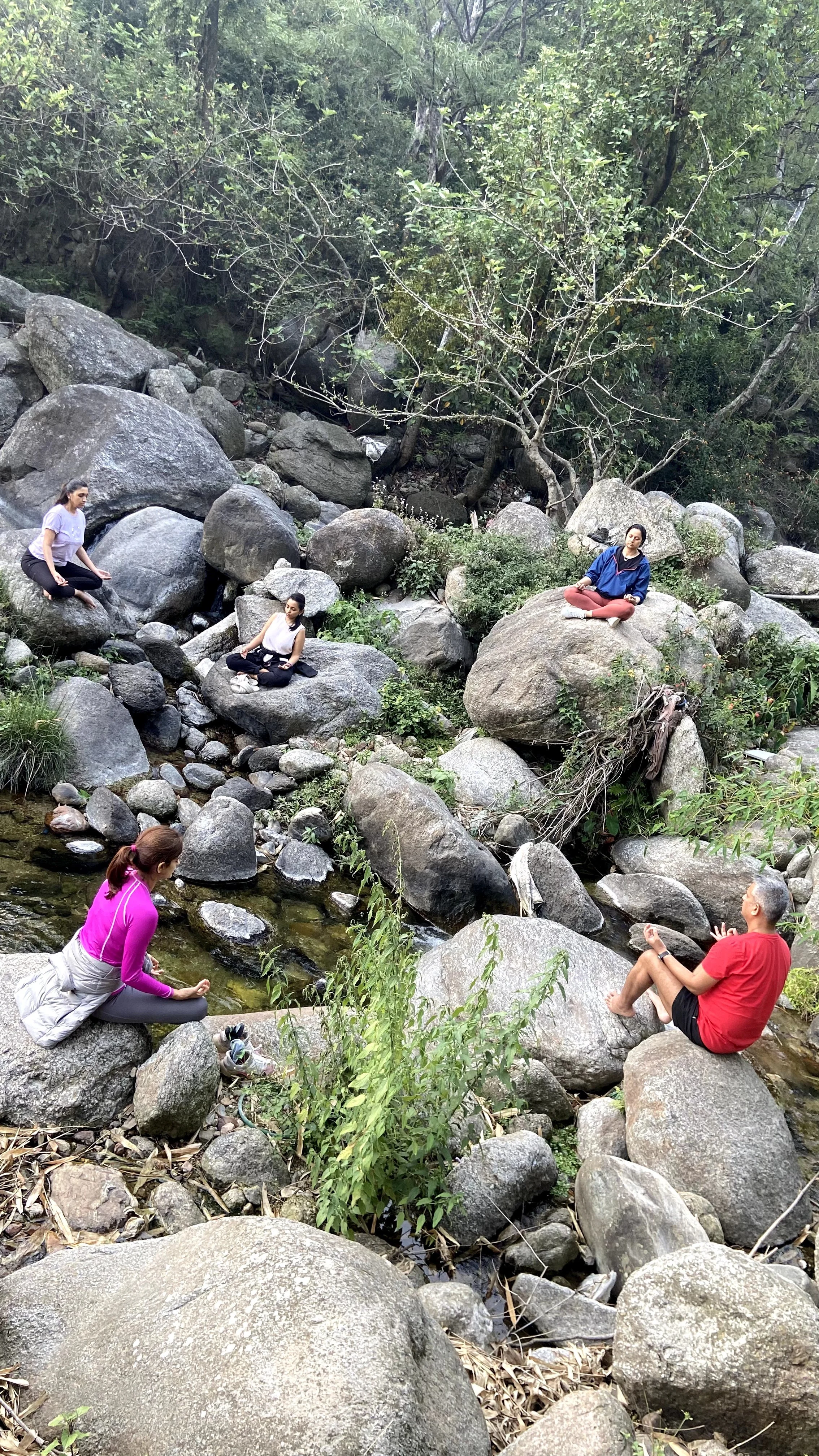
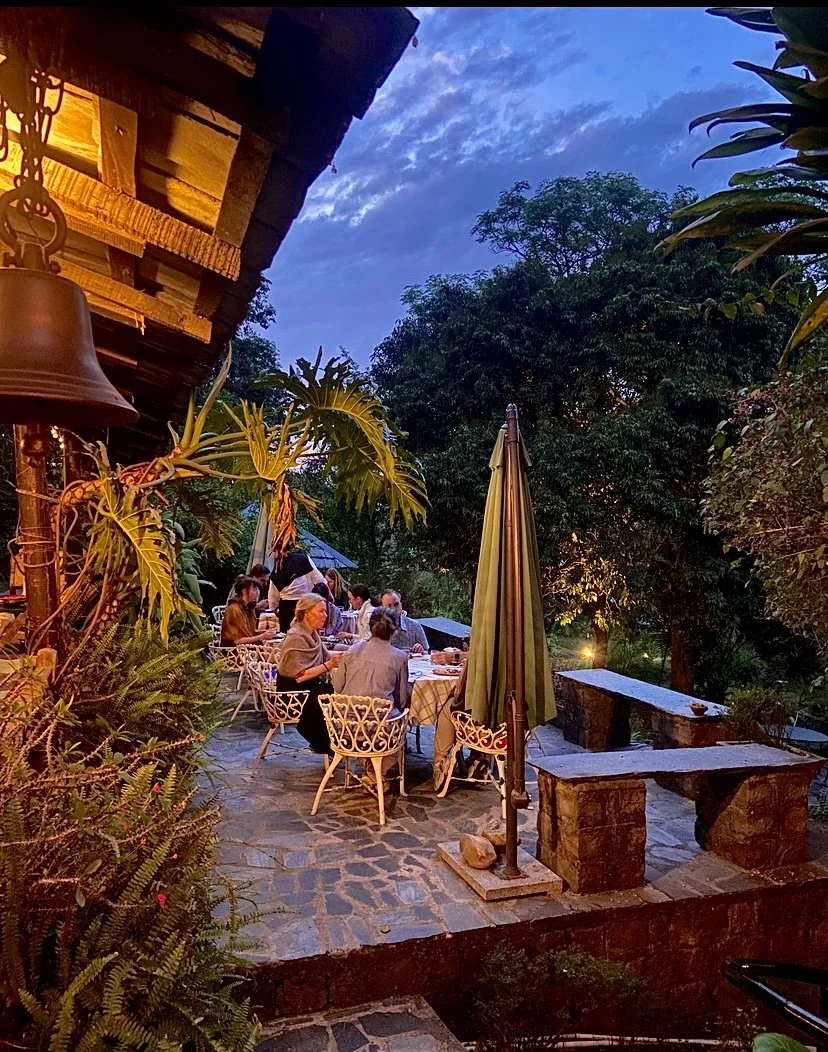
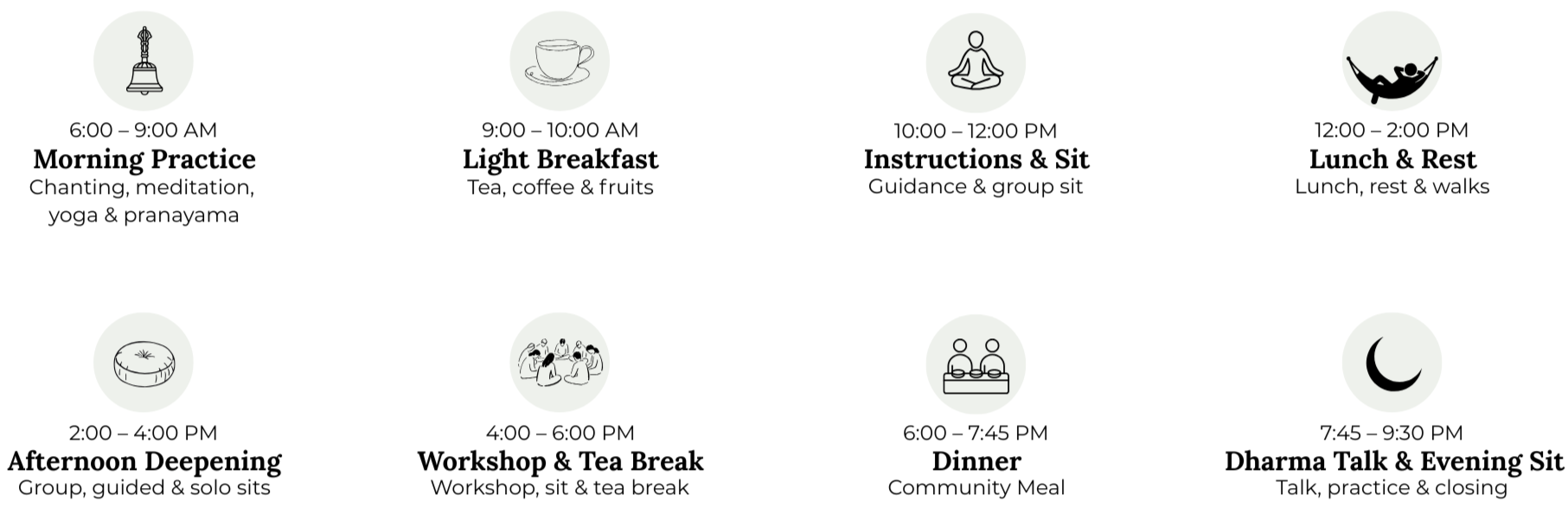
Deepen your knowledge and practice of Buddhist meditation amongst community, nature and silence
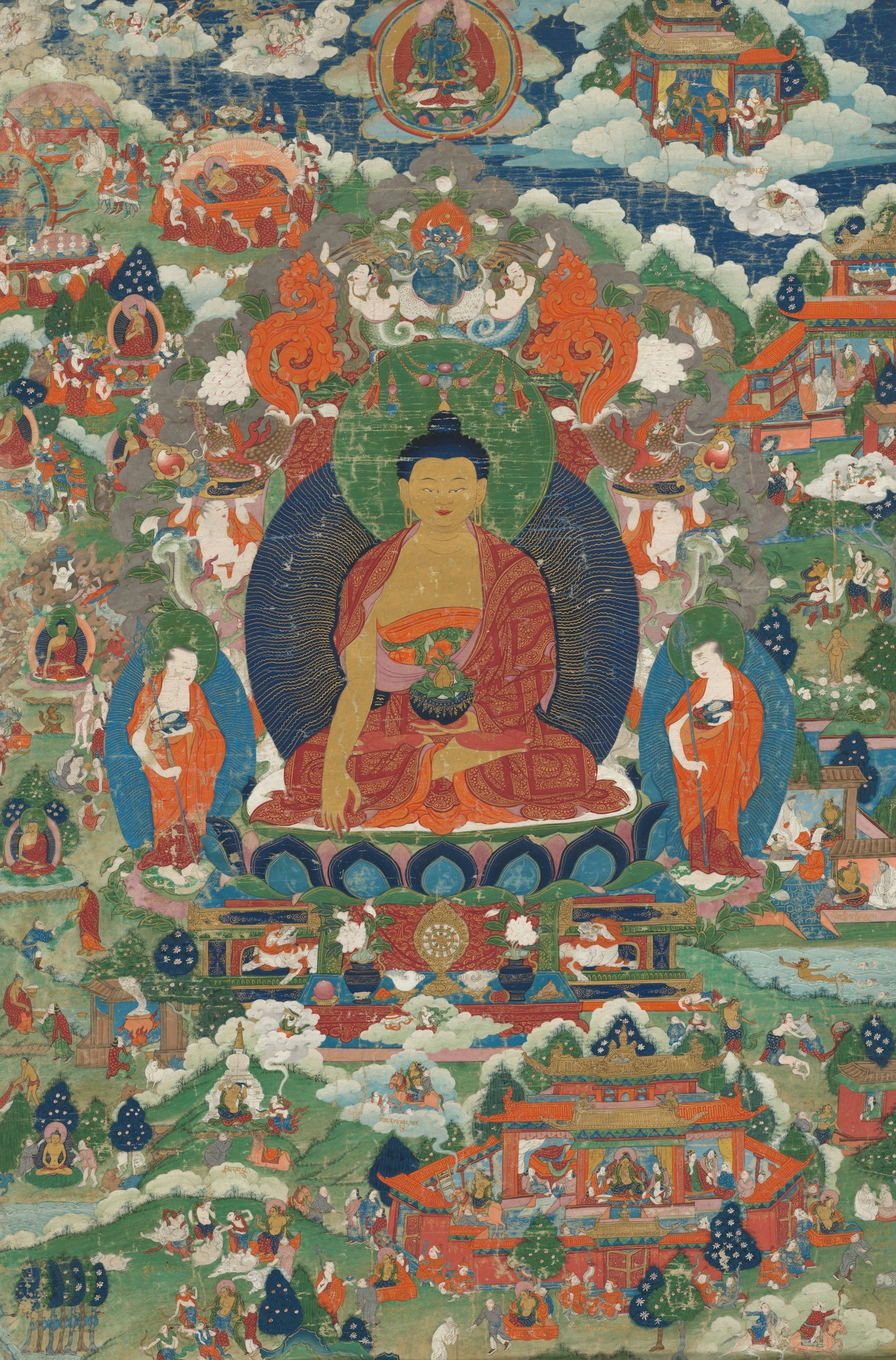
The Details
-
All backgrounds, and all levels of experience are welcome. For those who want to sit deeply, there's ample time; for those who prefer a gentler rhythm, there's room to adjust the schedule.
This training container welcomes:
New meditators & yogis ready for a serious, structured introduction to meditation across traditions
Experienced meditators looking to deepen their practice and fill in gaps across Theravada, Zen, and Tibetan approaches
Aspiring teachers who feel called to eventually guide others, and want a grounded, embodied foundation before they do
Qualified teachers of mindfulness-based approaches such as MBSR and MBCT
Yoga teachers, counsellors, and therapists who'd like more tools in their toolbox — for themselves and/or their clients
Anyone craving three weeks of deep meditative immersion — away from screens, schedules, and noise
You don't need any prior teaching experience to join. The teacher training elements are woven in for those who want them, without being a requirement for everyone else.
This training is designed to hold both complete beginners and advanced practitioners in the same room — the practices and instruction are layered so everyone can meet the material at their own level.
-
You don't need any desire to become a teacher. The training elements are woven in for those who want them, without being a requirement for everyone else.
-
What meditation do you teach?
Our retreats are built around four main pillars: Concentration, Insight, Metta, and Awareness-based practice. These are listed in full below. The exact meditations may differ from retreat to retreat, depending on the theme, but are generally flavoured with the following:
Samatha
Calm-abiding technique, where we build the concentration faculty that leads to samadhi and jhana, insight and awakening
Insight
Vipassana
Insight meditation from the Theravada tradition, investigating the three marks of experience — impermanence (anicca), suffering (dukkha), and not-self (anatta) — to see clearly into the nature of mindVipashyana
Insight practice from the Tibetan tradition, resting directly in the nature of mind through investigation rather than analysis
Awareness-based
Shikantaza — also known as silent illumination or choiceless awareness, from the Zen tradition, where we marinate in the void of awareness
Trekchö — an awareness-based practice to settle into non-dual awareness, from the Dzogchen tradition
Metta
Loving-kindness meditation that opens the qualities of the heart and can lead into deeper states of absorption
-
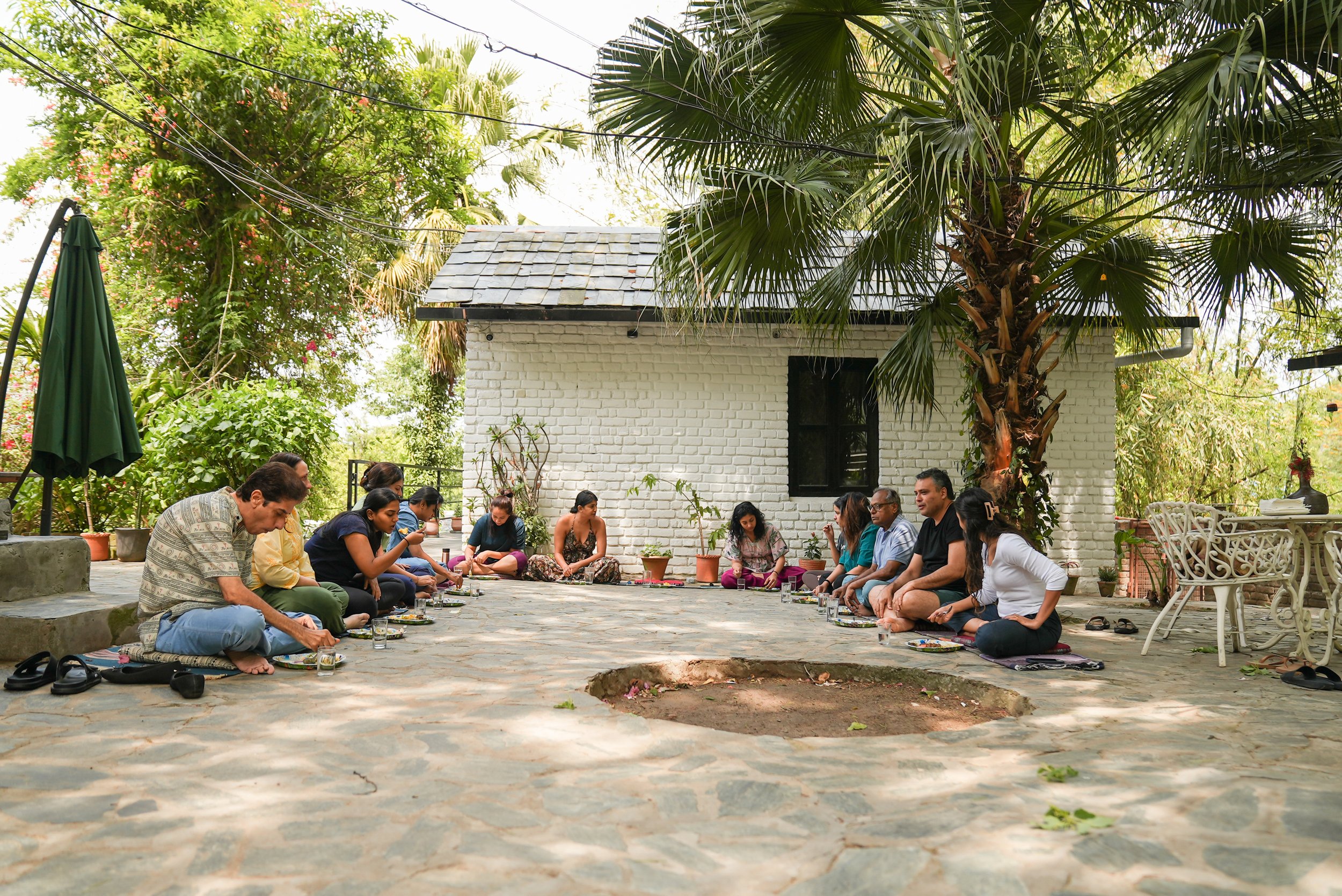
It will be mixed, with some days more dedicated to teachings and practice, and others where silence might emerge. Conversation will be allowed during meal times in the dining hall – get to know your fellow meditators, share stories and form bonds.
For those who wish to remain in silence for some of the retreat, including meal times, silent badges can be provided to inform other participants.
-
The retreat includes yoga and pranayama each morning, suitable for all levels of experience. We draw on Vinyasa, Hatha, and YoQi — a blend of yoga and qi gong — alongside pranayama (breath-control techniques) and Kriya Yoga, to stimulate the internal energy system and support the move into non-dual states. This isn't a movement retreat, though — the emphasis stays on meditation, and the movement sessions are there to support it, not to challenge you.
-
Chanting is entirely optional, and this is not a religious retreat in any way. We sometimes chant Pali suttas, Tibetan mantras and Zen chants to connect with each of these lineages — it's also a fun way to engage with the traditions. Occasionally we chant specific mantras that have traditionally been used for purification and awakening.
-
Yes. Short meditation interviews can be arranged during the afternoon slot after lunch — a chance to check in one-to-one if you want guidance on a technique, or just want to talk through what's coming up in your practice.
-
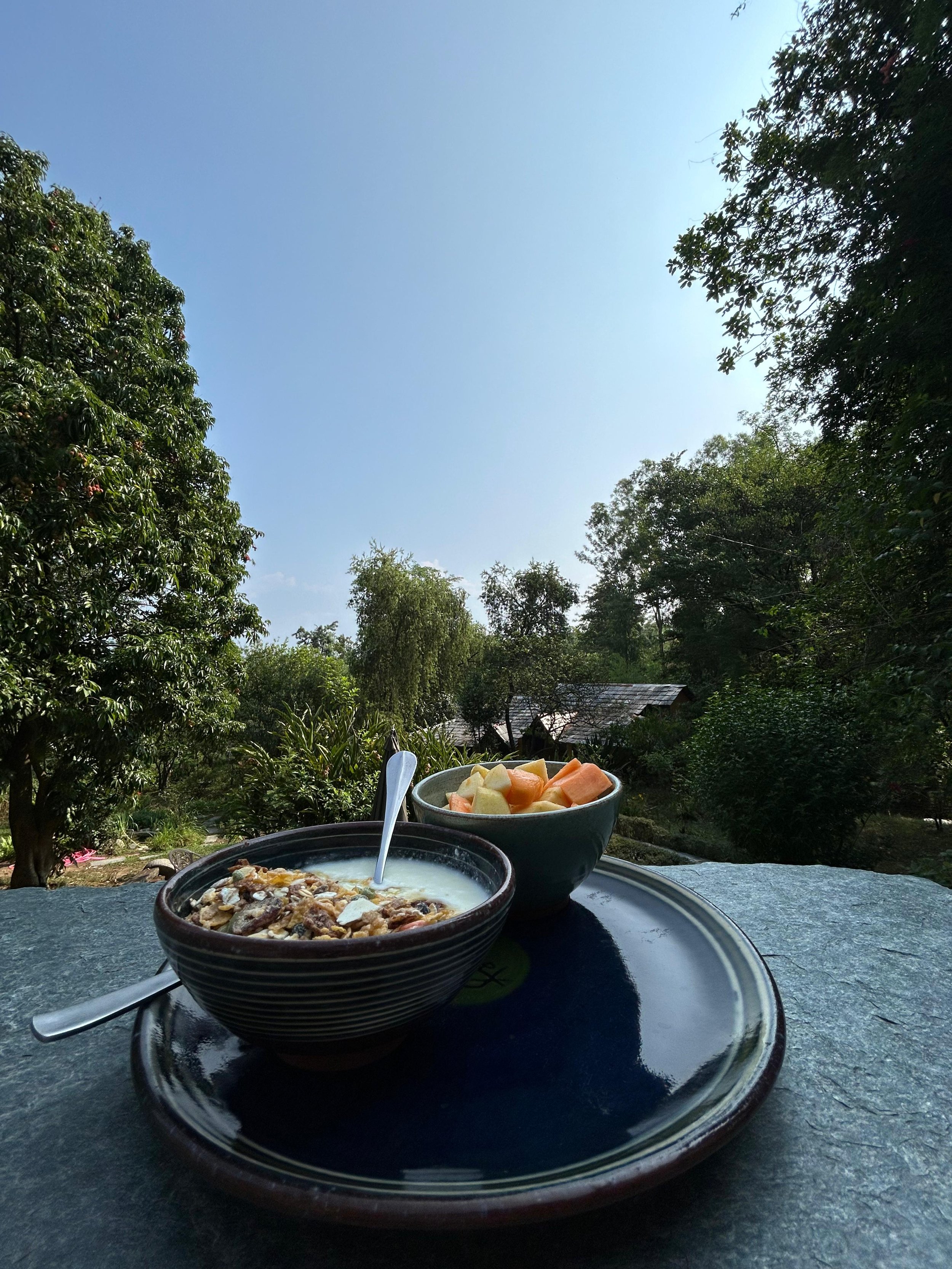
Freshly prepared vegetarian meals are served each day — breakfast, lunch, and dinner. On some retreats, breakfast is a lighter offering of fruit, tea, coffee, and protein balls.
Let us know of any dietary requirements or allergies when you book, and we'll do our best to accommodate them.
-
Where rooms are shared, we try to place roommates of the same gender. In dormitory-style rooms, we do the same where possible, grouping into male and female dorms. If you have a specific need or preference around room-sharing, let us know when booking and we'll do our best to accommodate it.
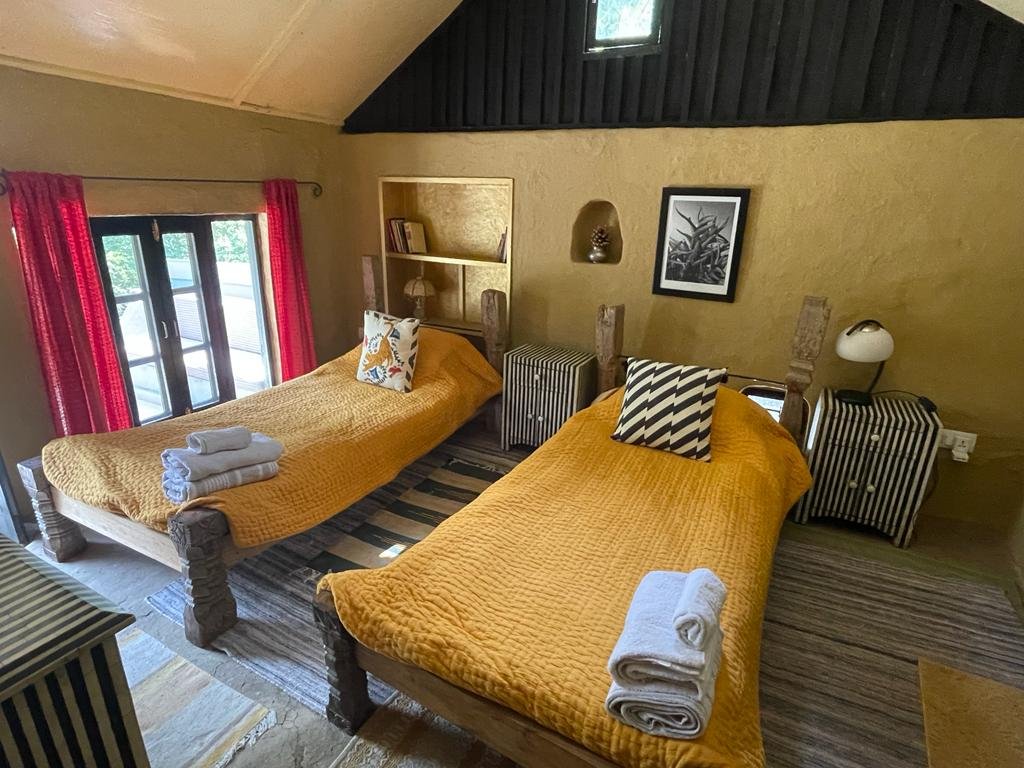
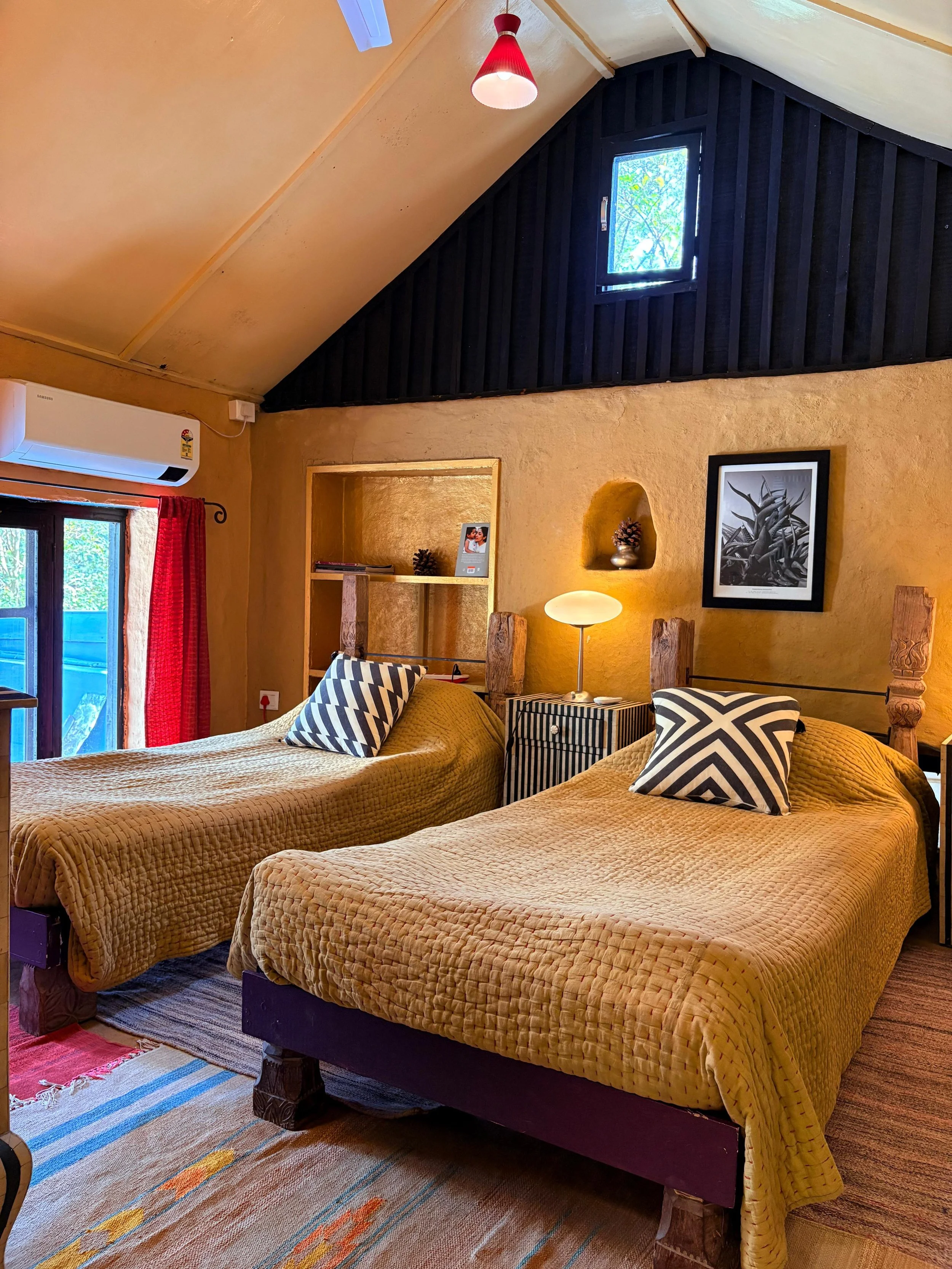
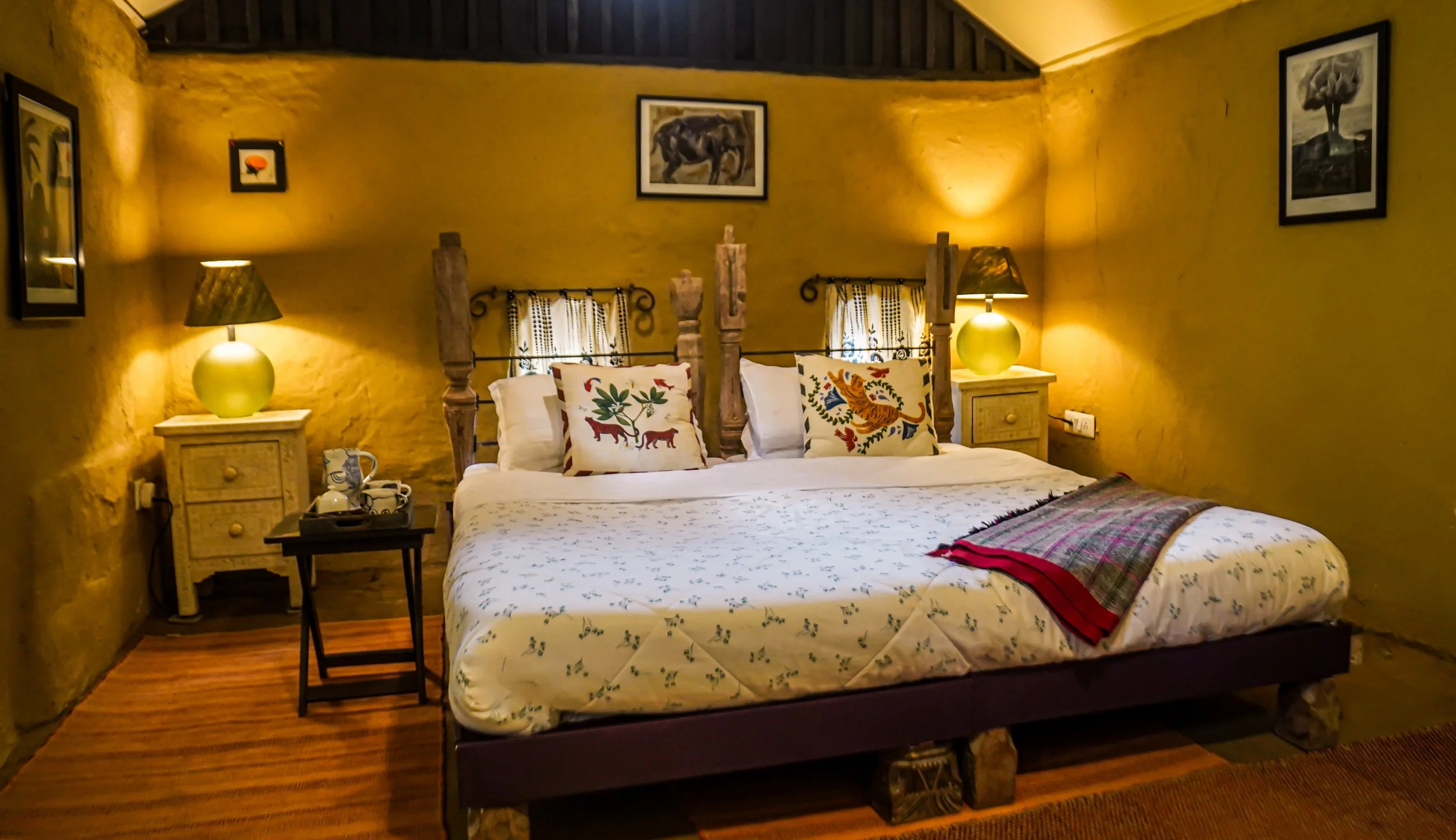
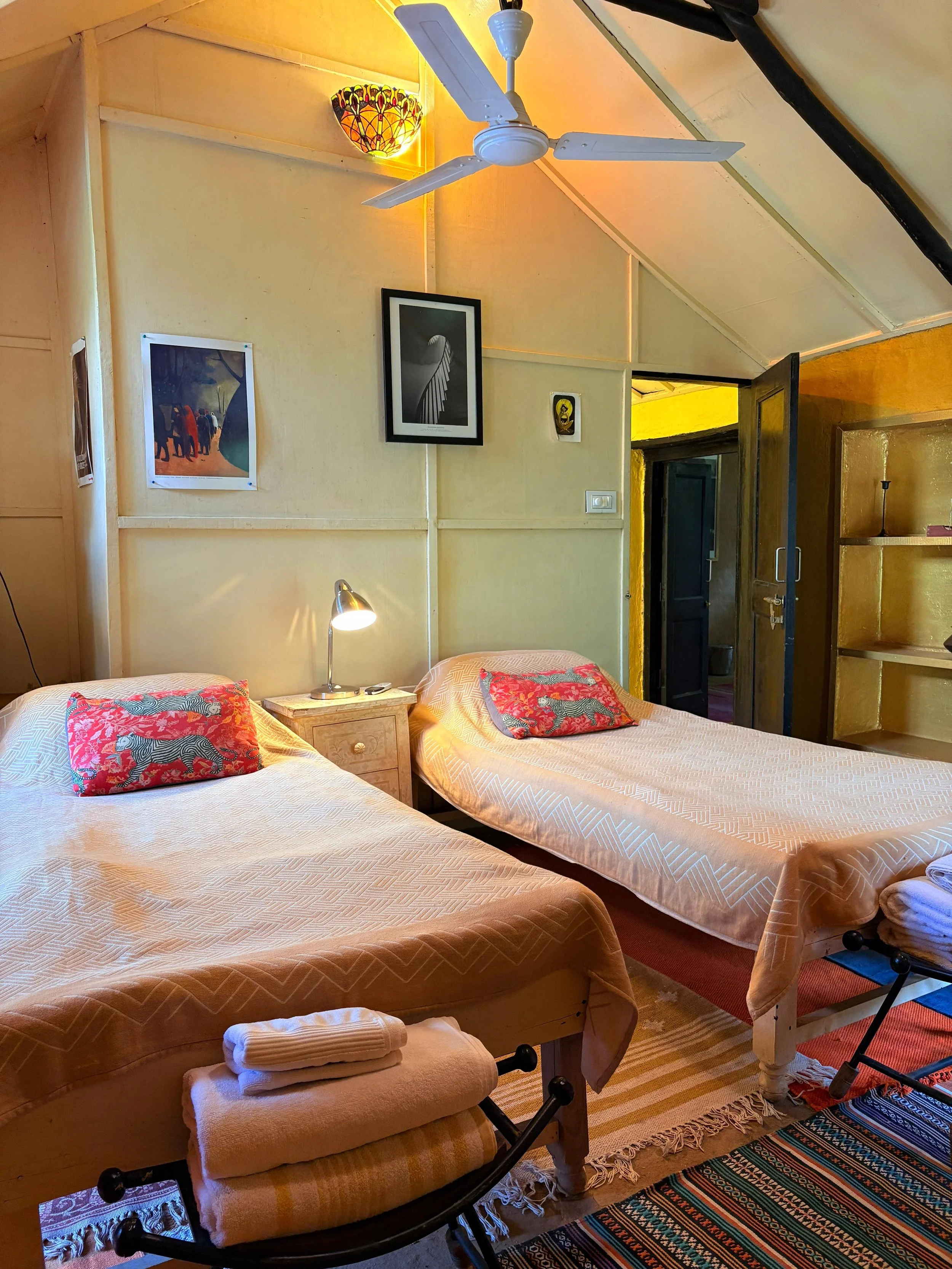
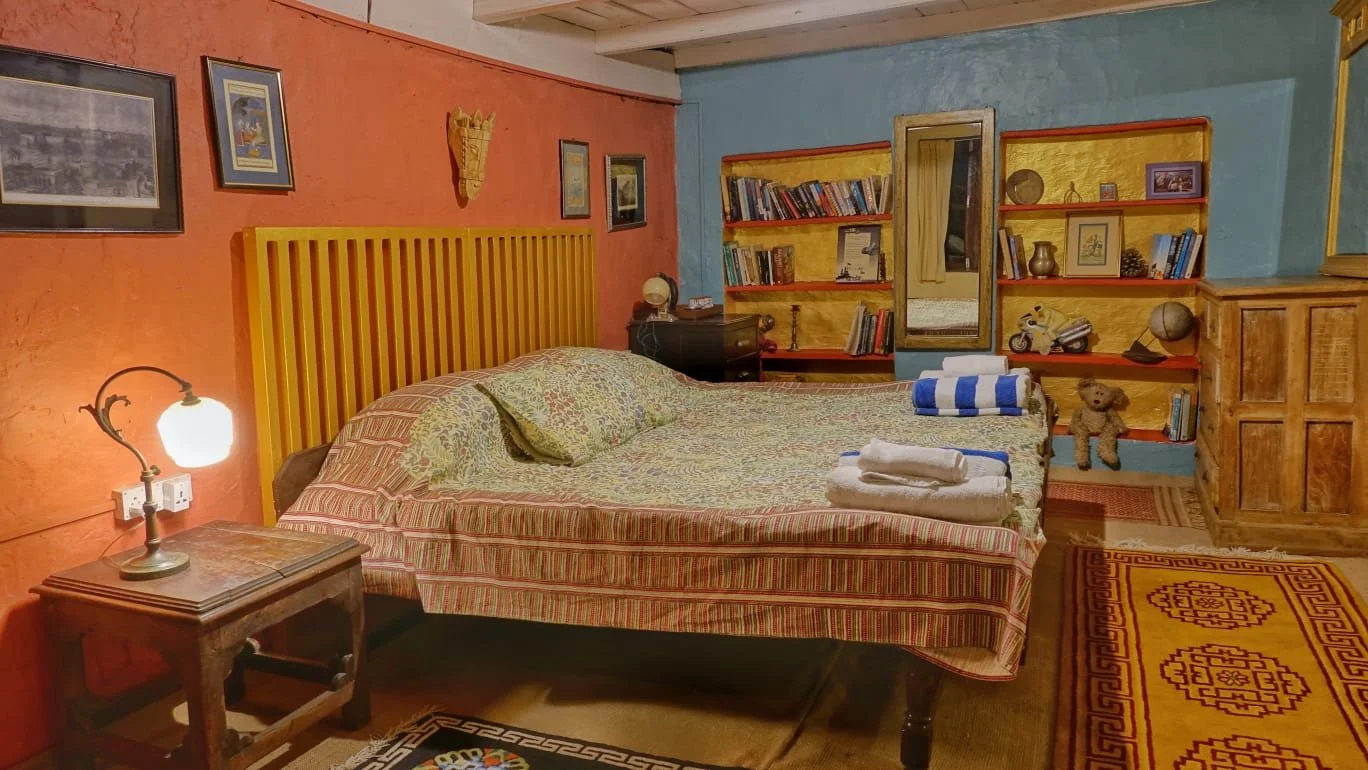
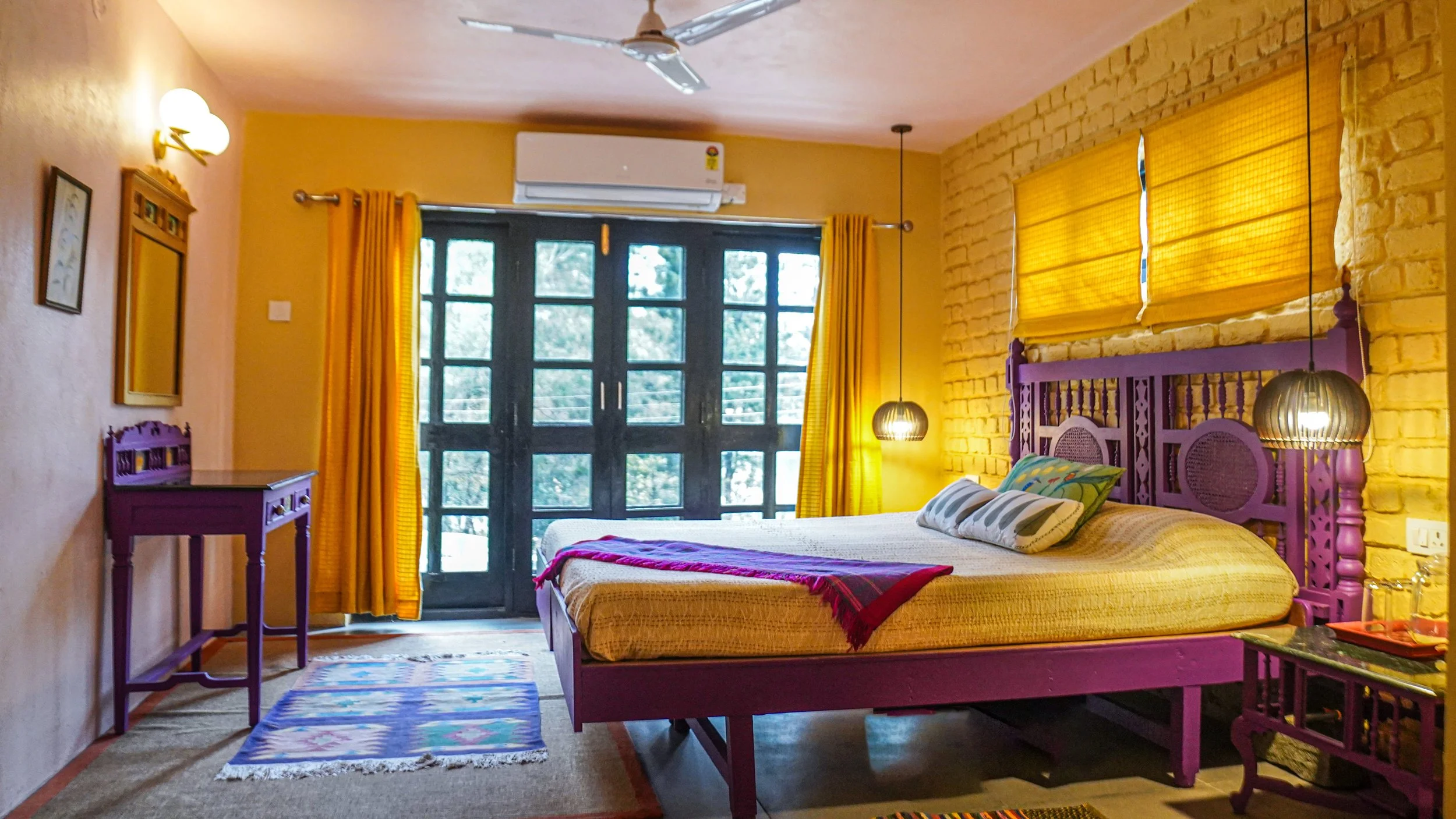
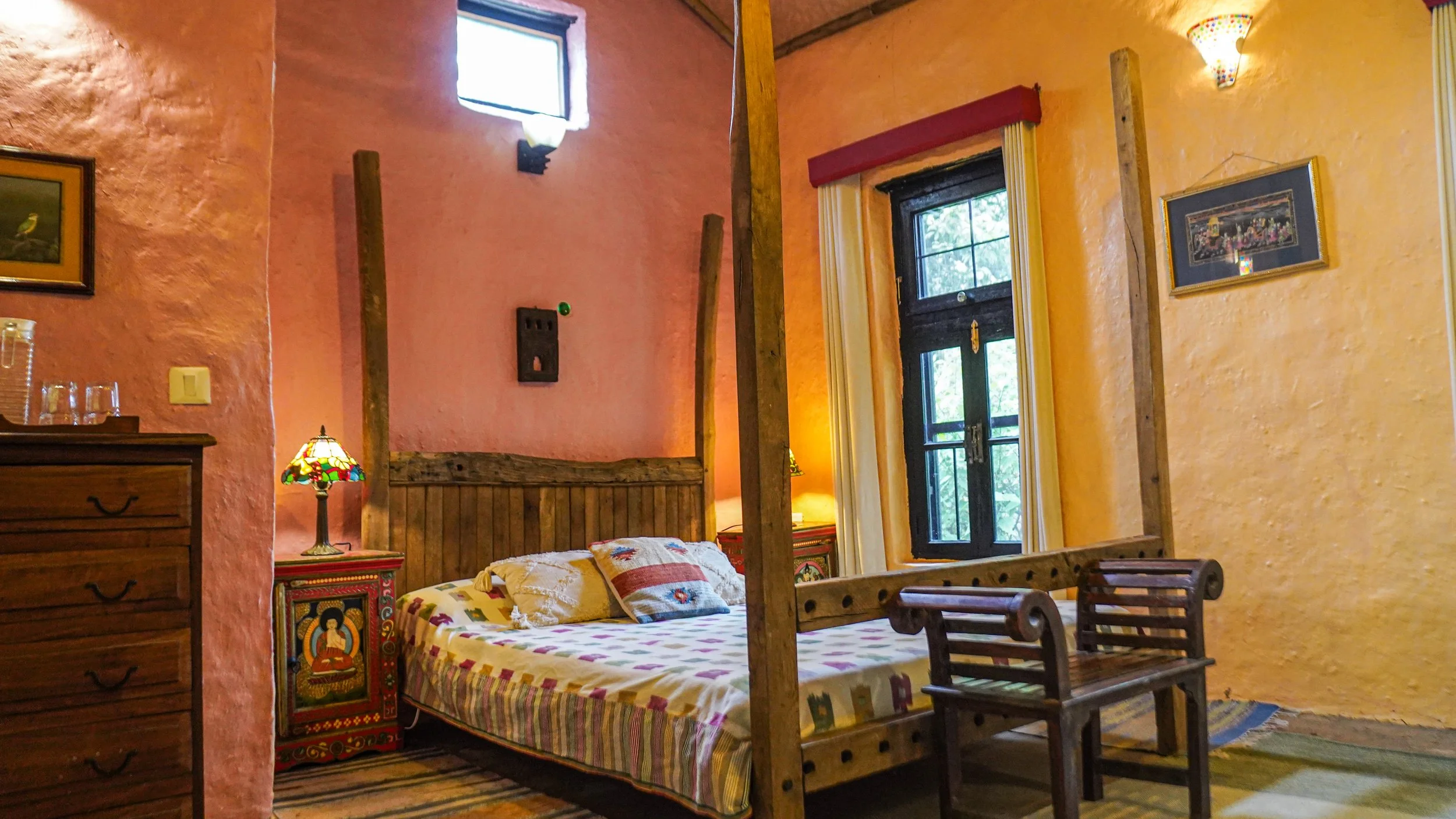
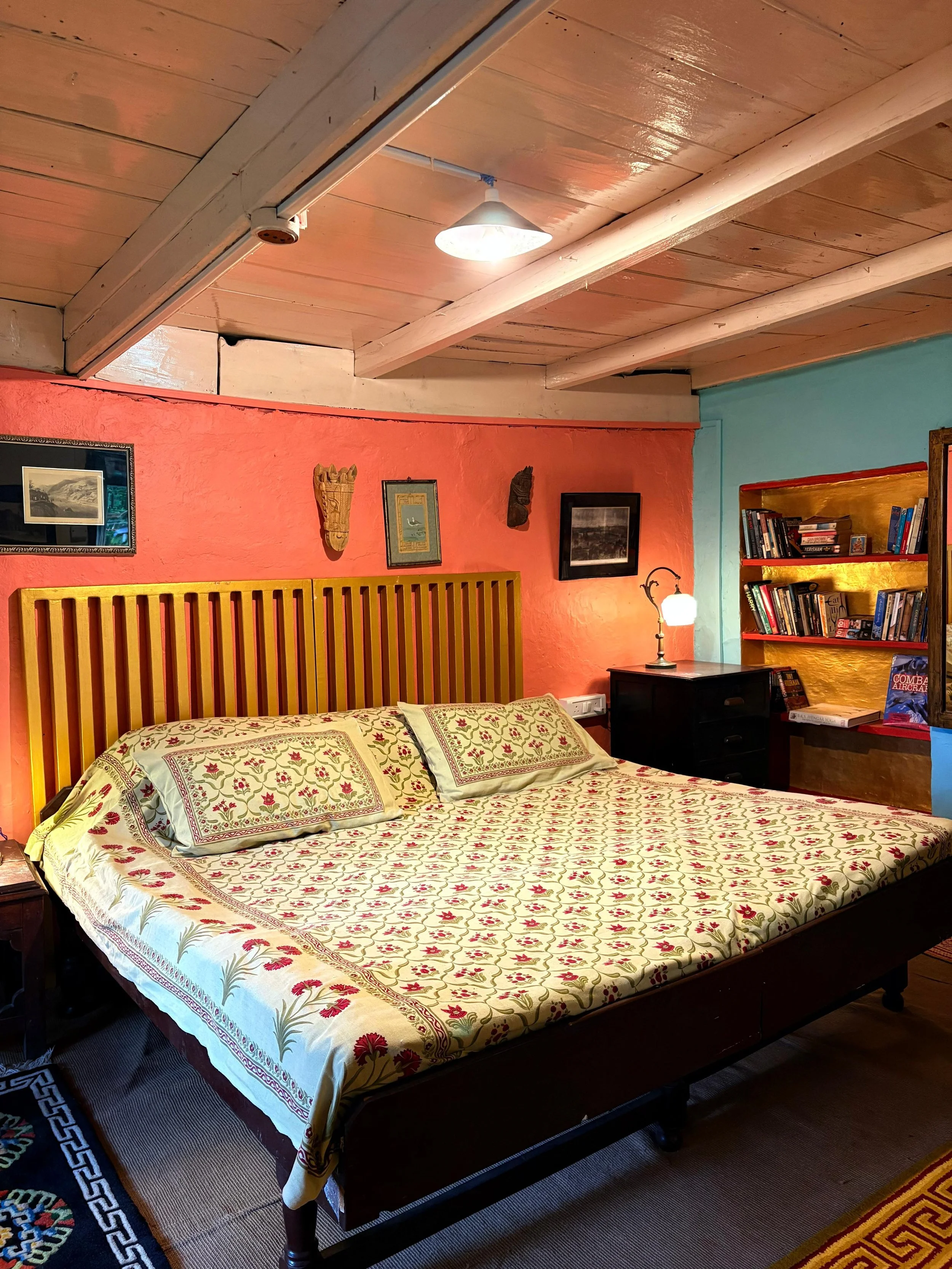
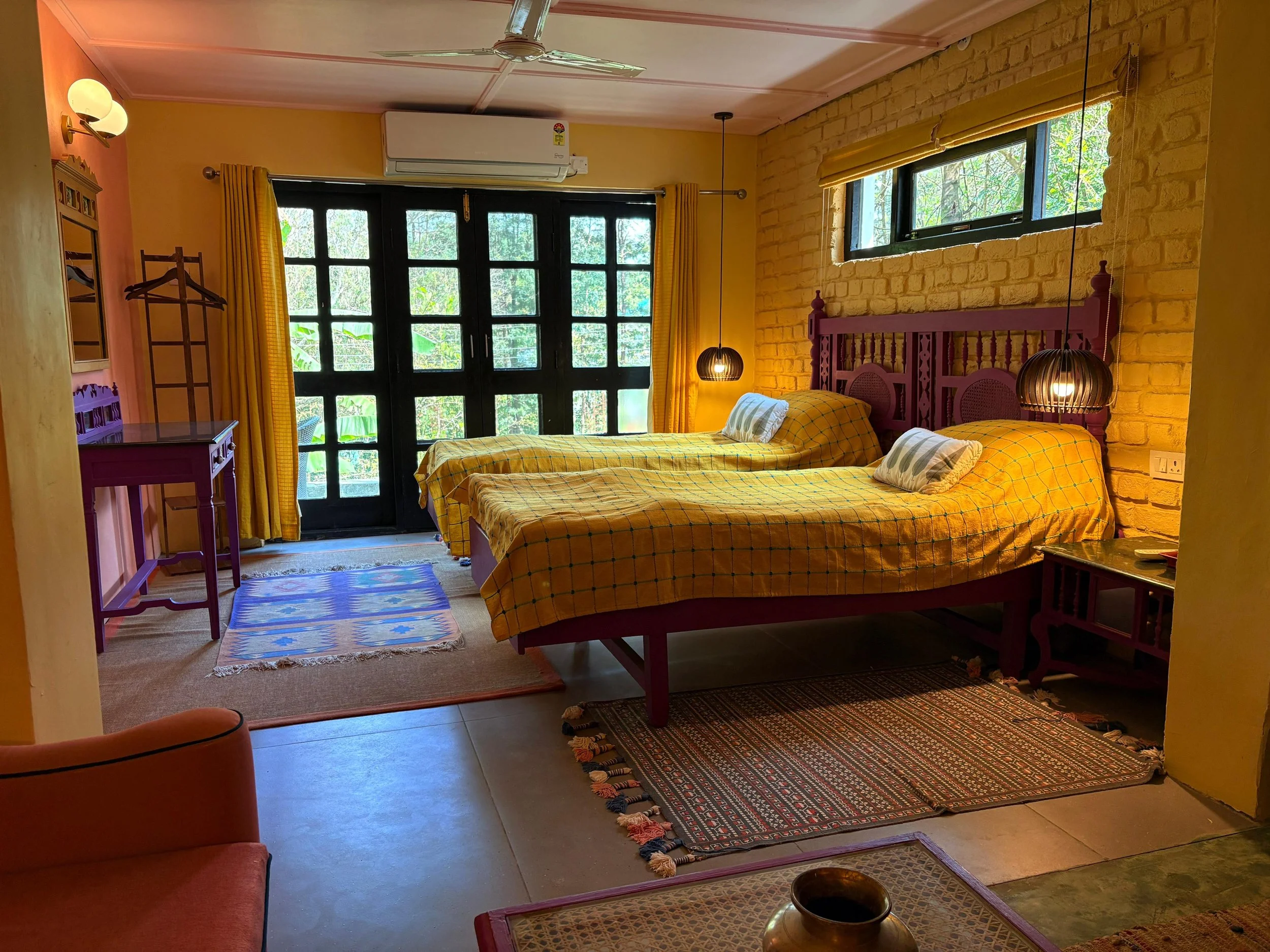
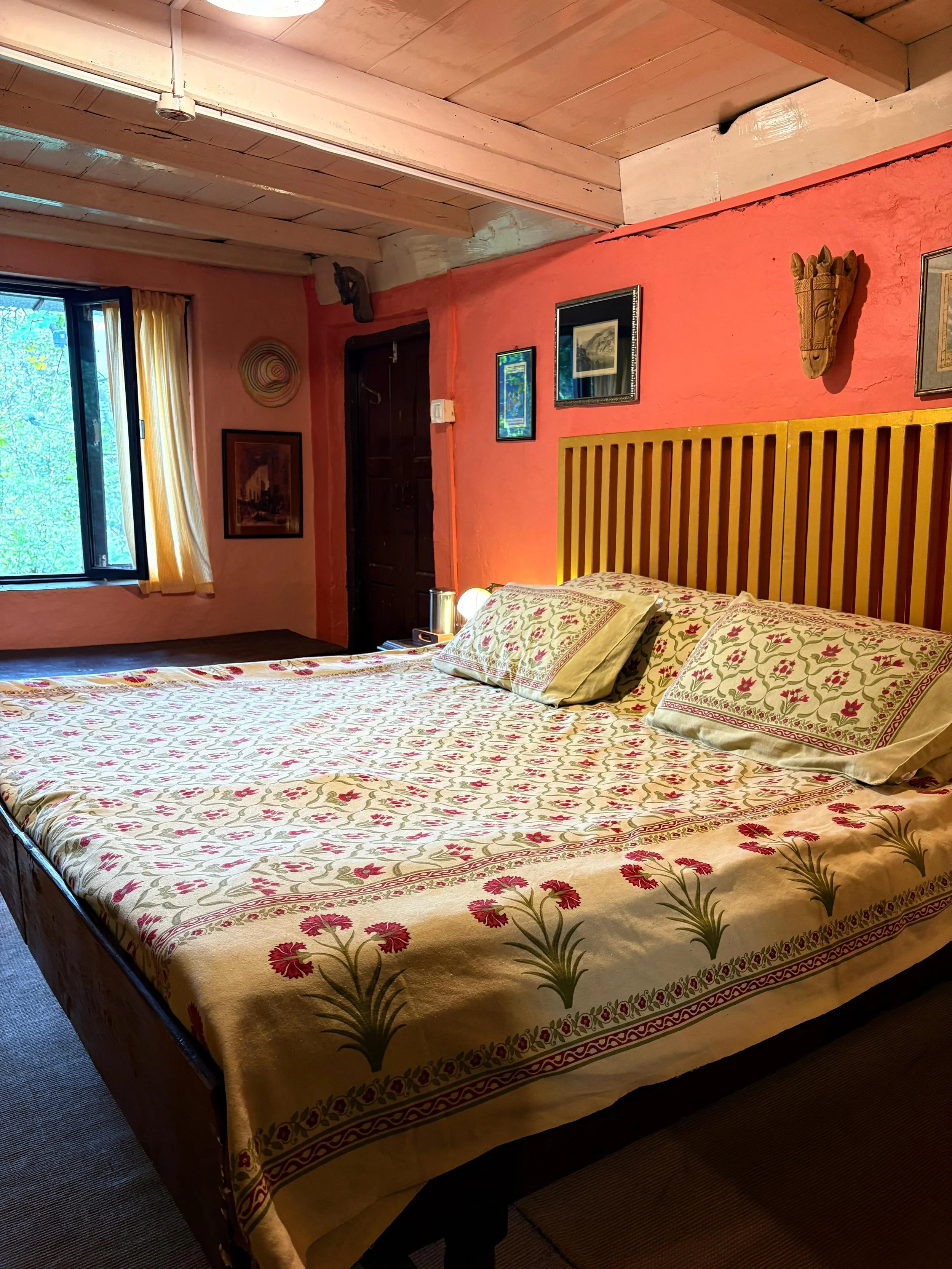
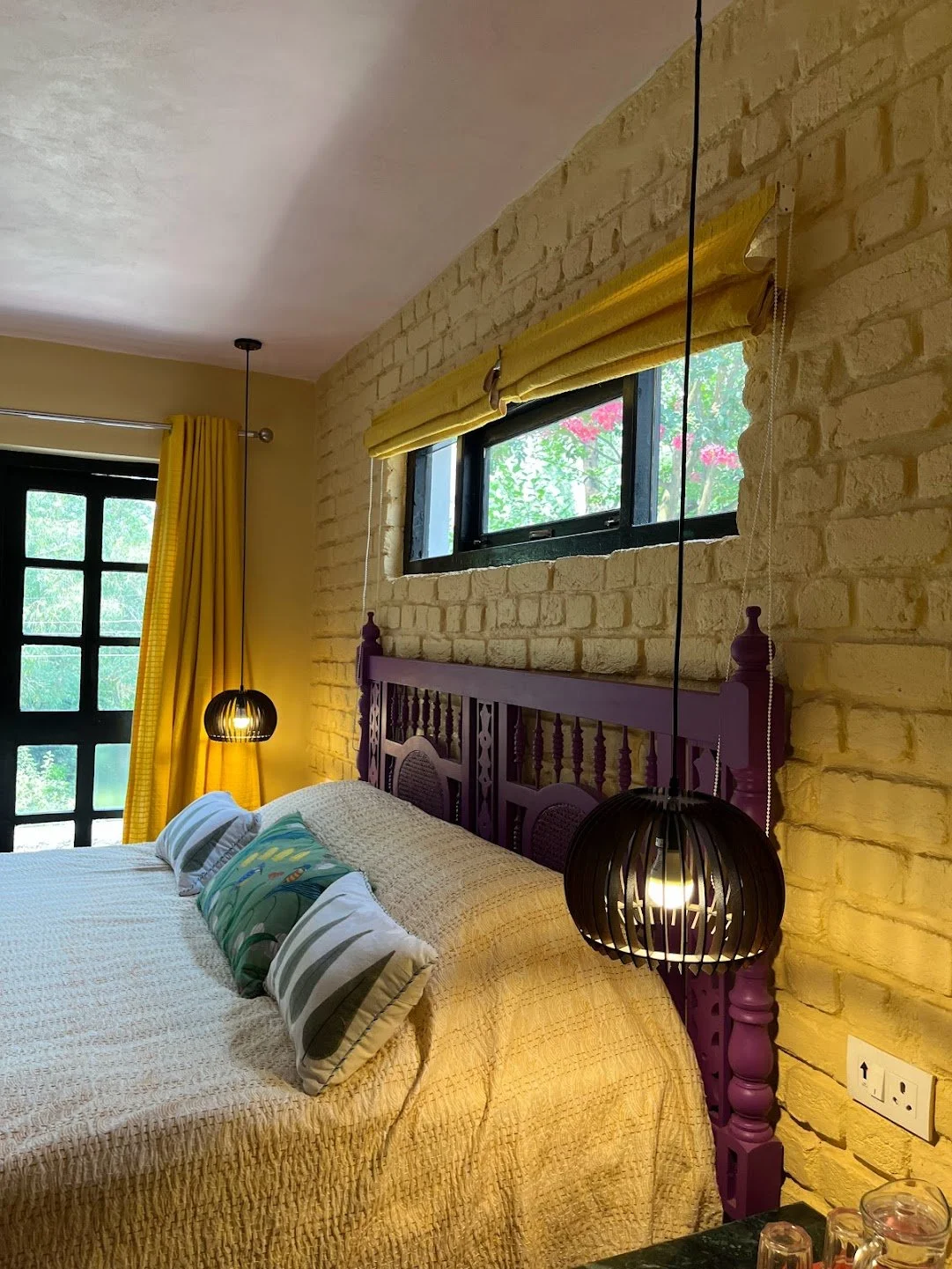
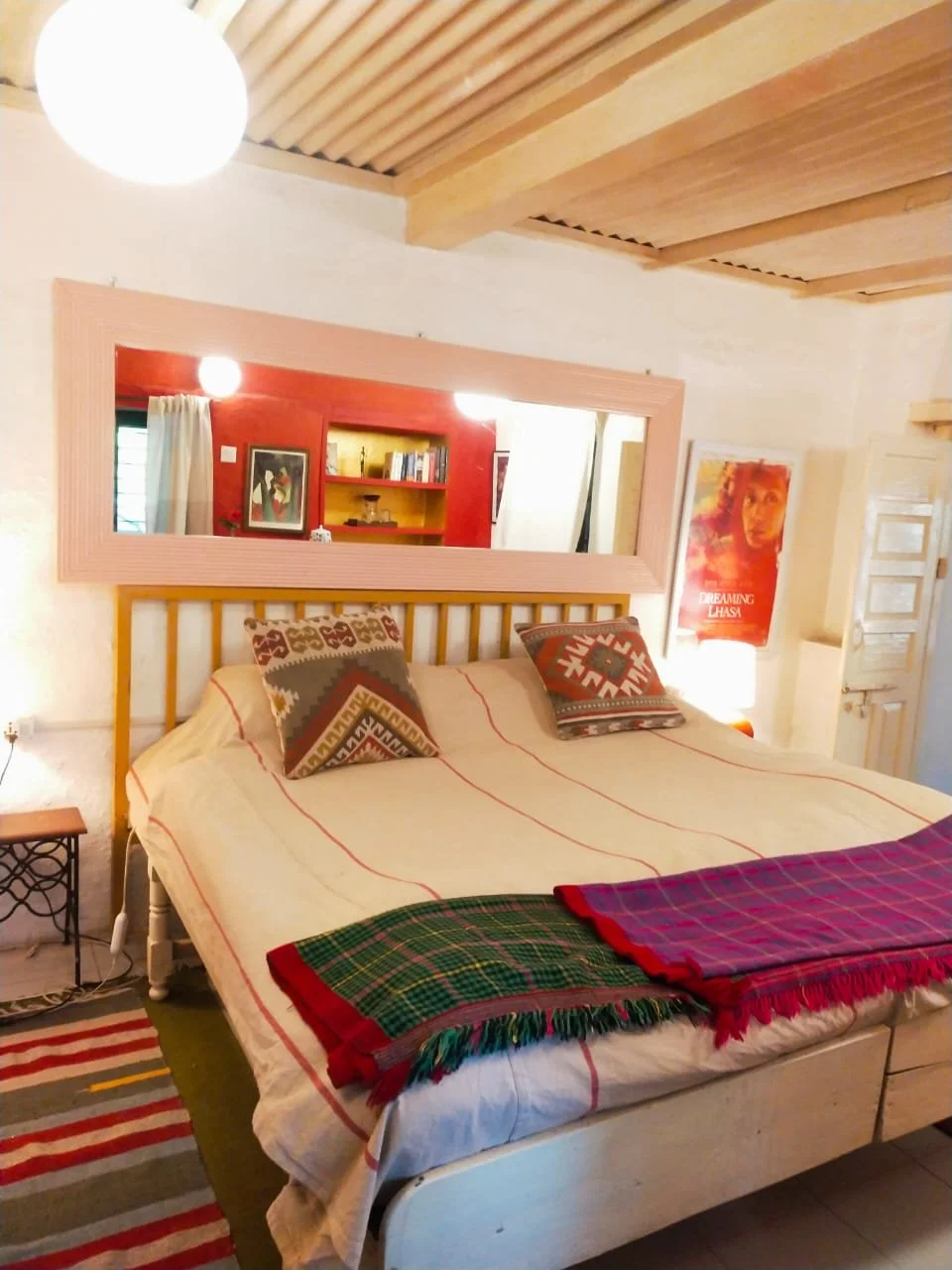
Our venue for the training comprises 7 rooms each with x2 single beds and 3 rooms with queen size beds.
-
Towel
Torch or head torch
Waterproof jacket
Light clothing for sunny days
Warm clothing for rainy days and cooler nights
Toiletries (biodegradable products preferred)
Comfort items — slippers, a hot water bottle, a cosy blanket, journal etc.
-
Included:
21 days / 20 nights accommodation
All meals (vegetarian, sourced locally)
Daily teachings and guided practices
Teacher training curriculum and materials, for those pursuing certification
Certificate of completion
Excluded:
Travel insurance
Travel to/from the venue Airport transfer to/from Dharamshala
Personal expenses
Steam room and wellness treatments at the venue
-
For most, yes — check the links below:
https://indianvisaonline.gov.in/
https://www.eta.gov.lk/slvisa/
-
The retreat is held in English.
Some prior meditation experience is recommended.
Recreational drugs and alcohol are not permitted on our retreats. If a retreatant is found to be under their influence, they may be asked to leave, in which case no refund will be given.
We won't take your mobile phone away — coming on retreat involves a degree of trust that you'll manage your own use of technology.
Our retreats can be intense and emotionally challenging, and require a good level of emotional stability. If you have a mental health condition, please get in touch before booking so we can discuss together whether the retreat is a good fit.
If you have a physical health condition or mobility concern, please get in touch before booking so we can discuss together whether the retreat will be suitable.
If you have any further questions, you can schedule a free 30-minute call with Jason via the "Schedule" tab above.
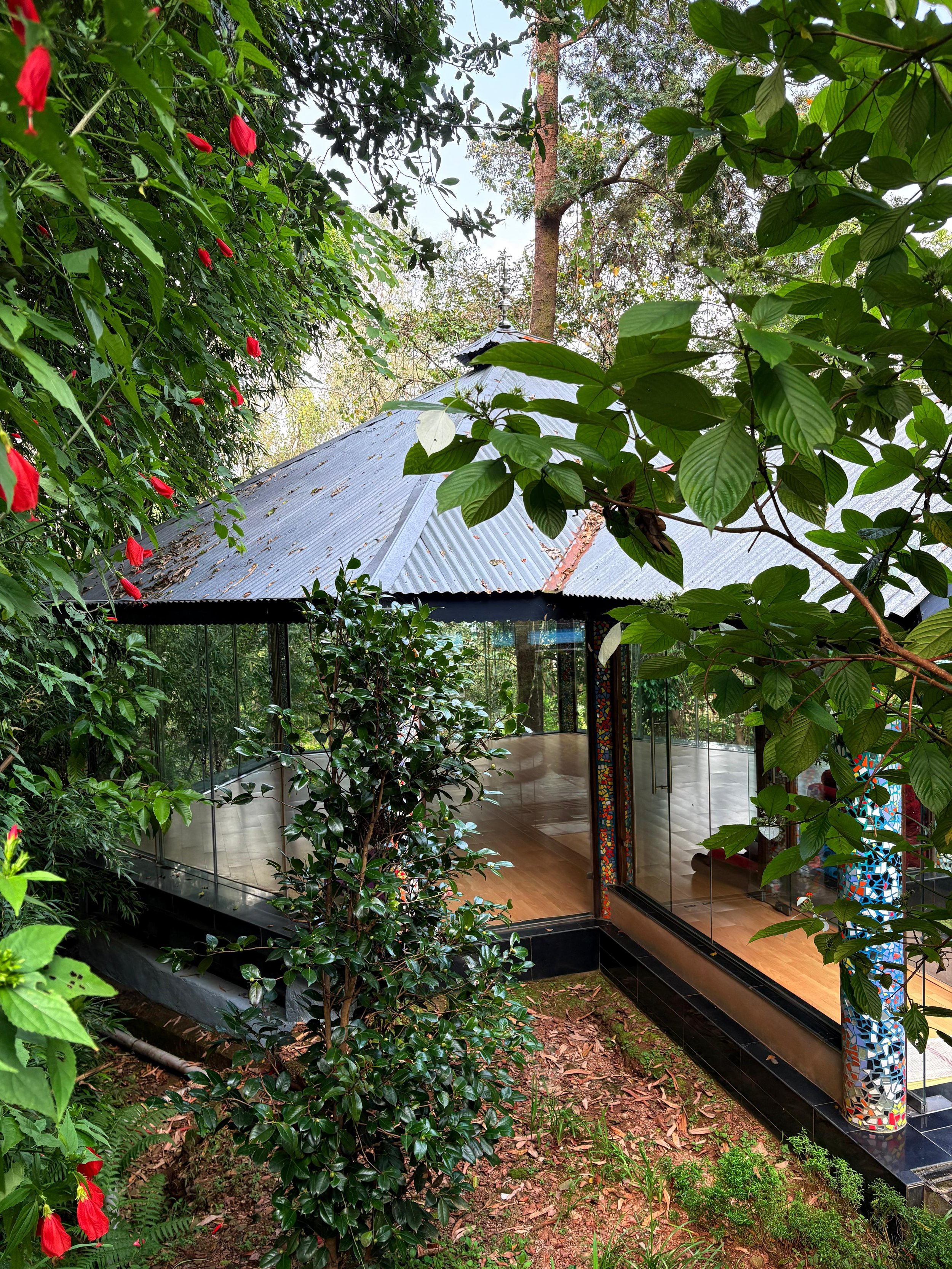
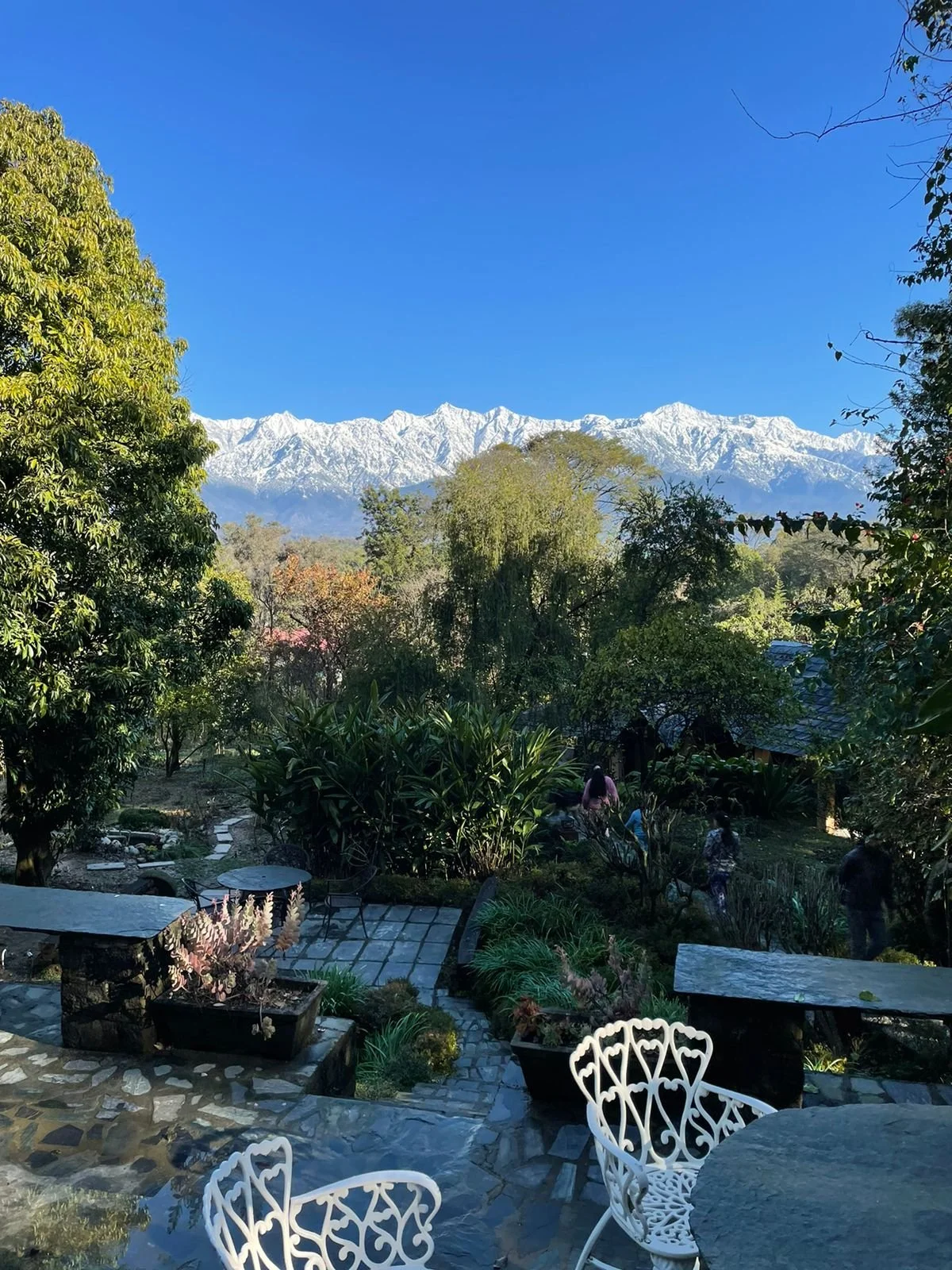
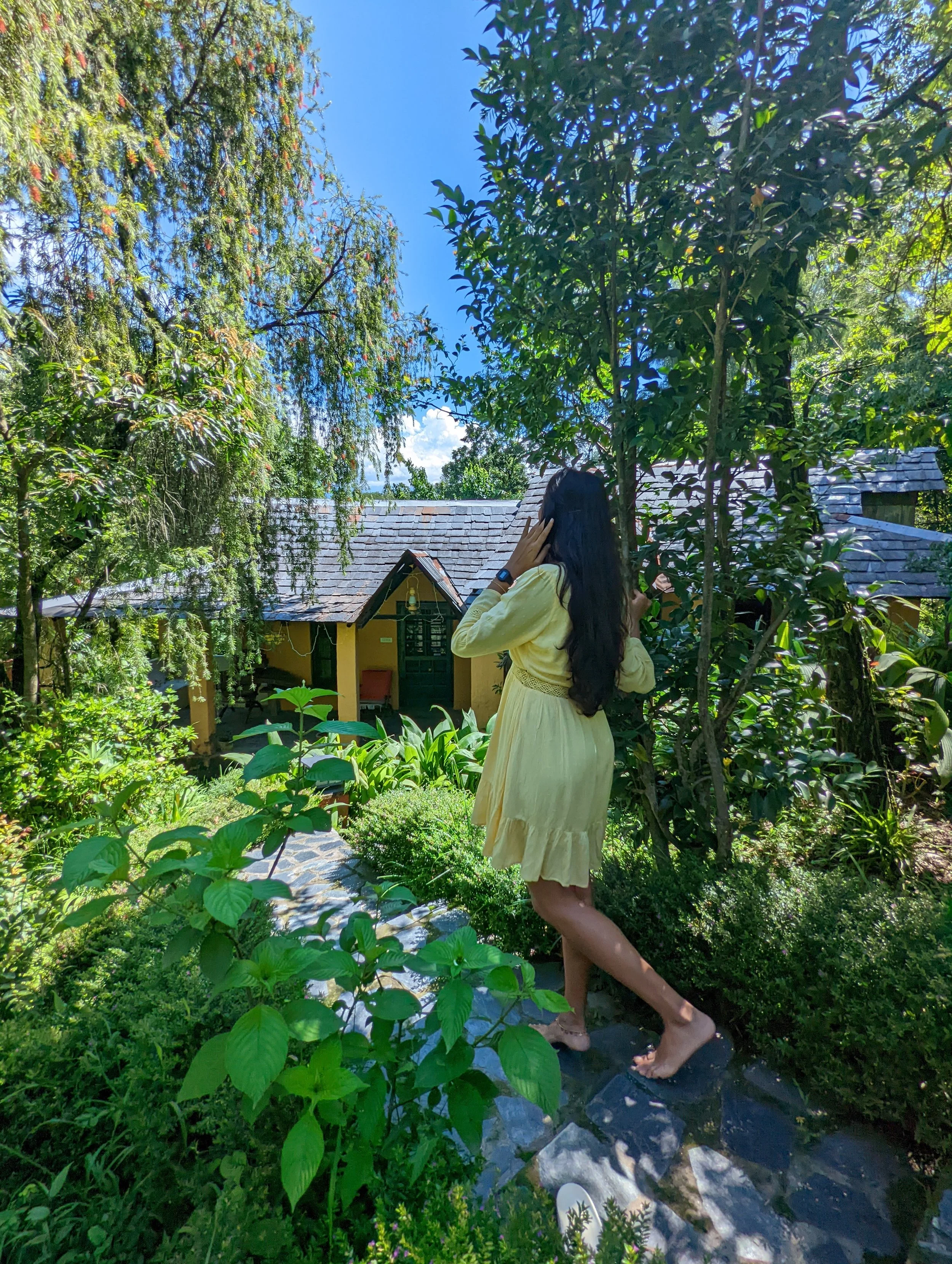
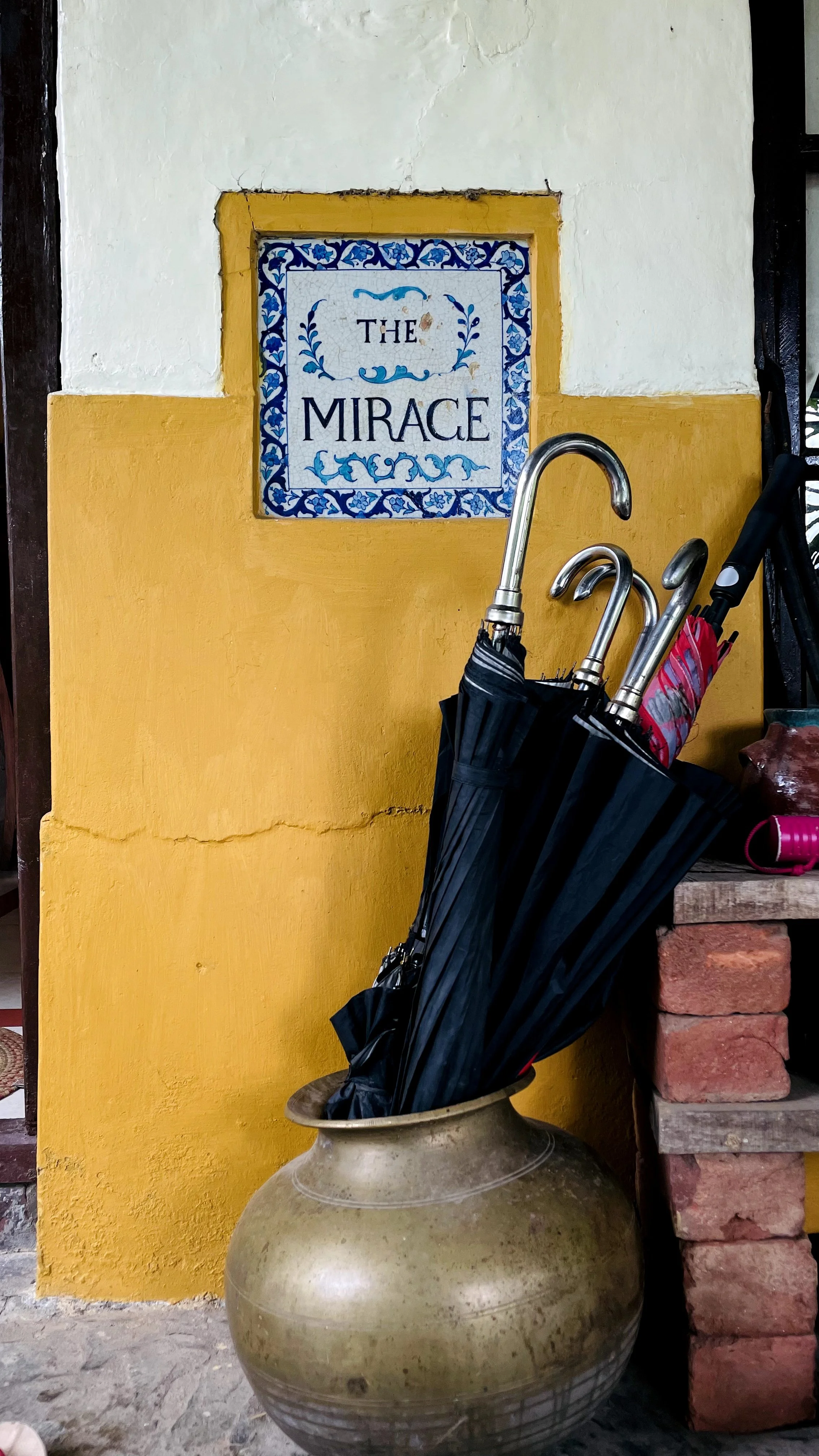
Venue: The Mirage
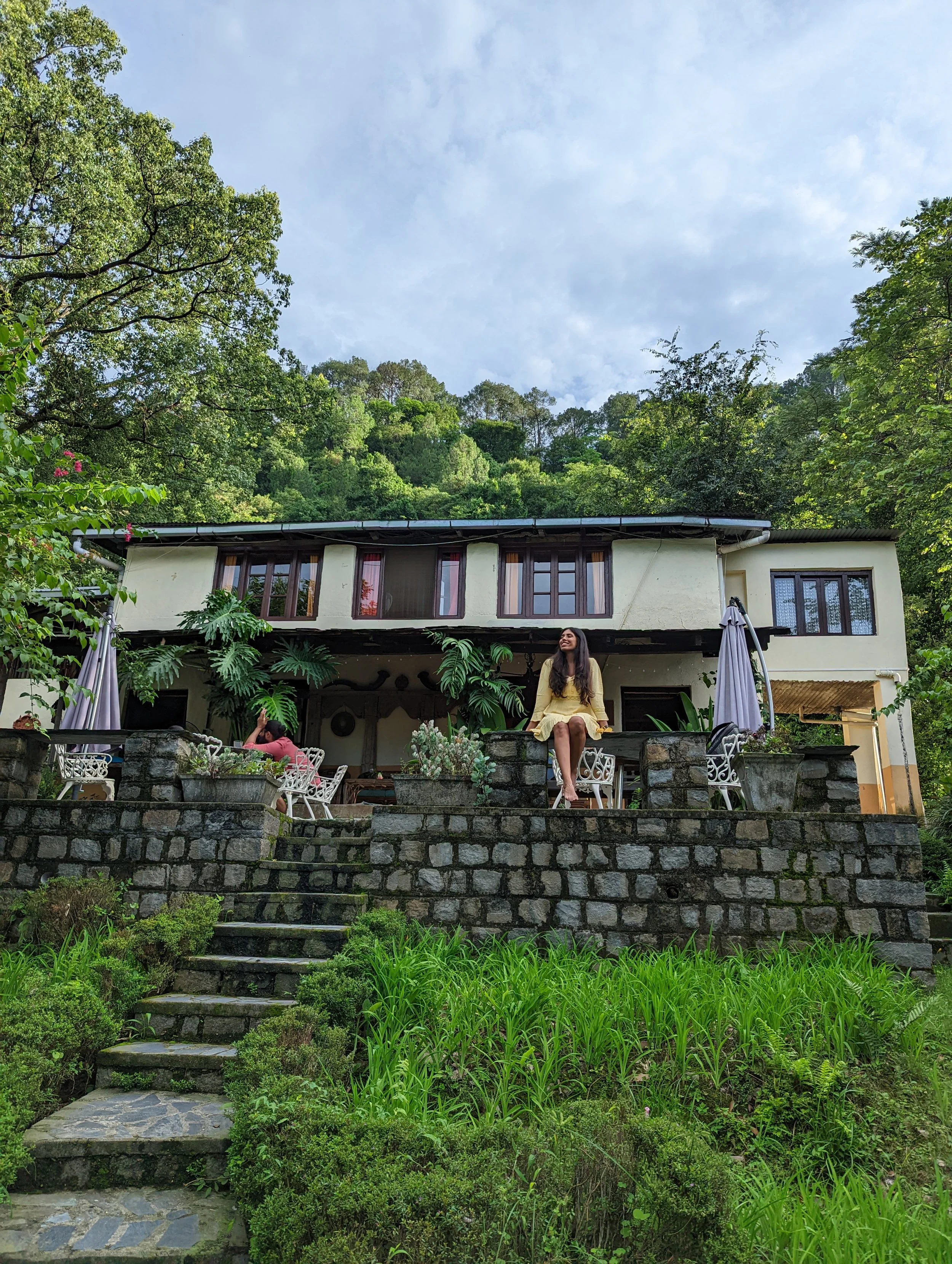
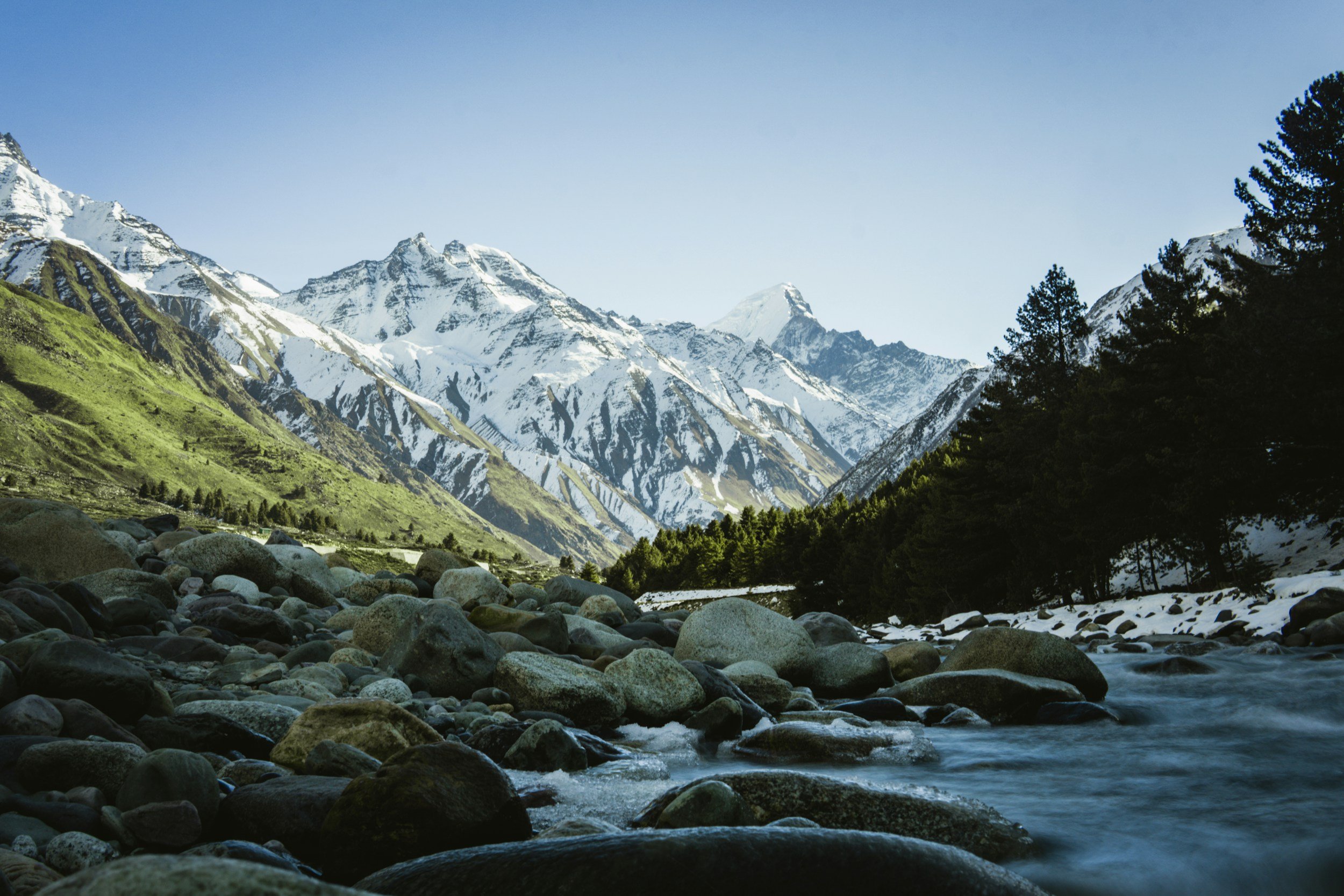
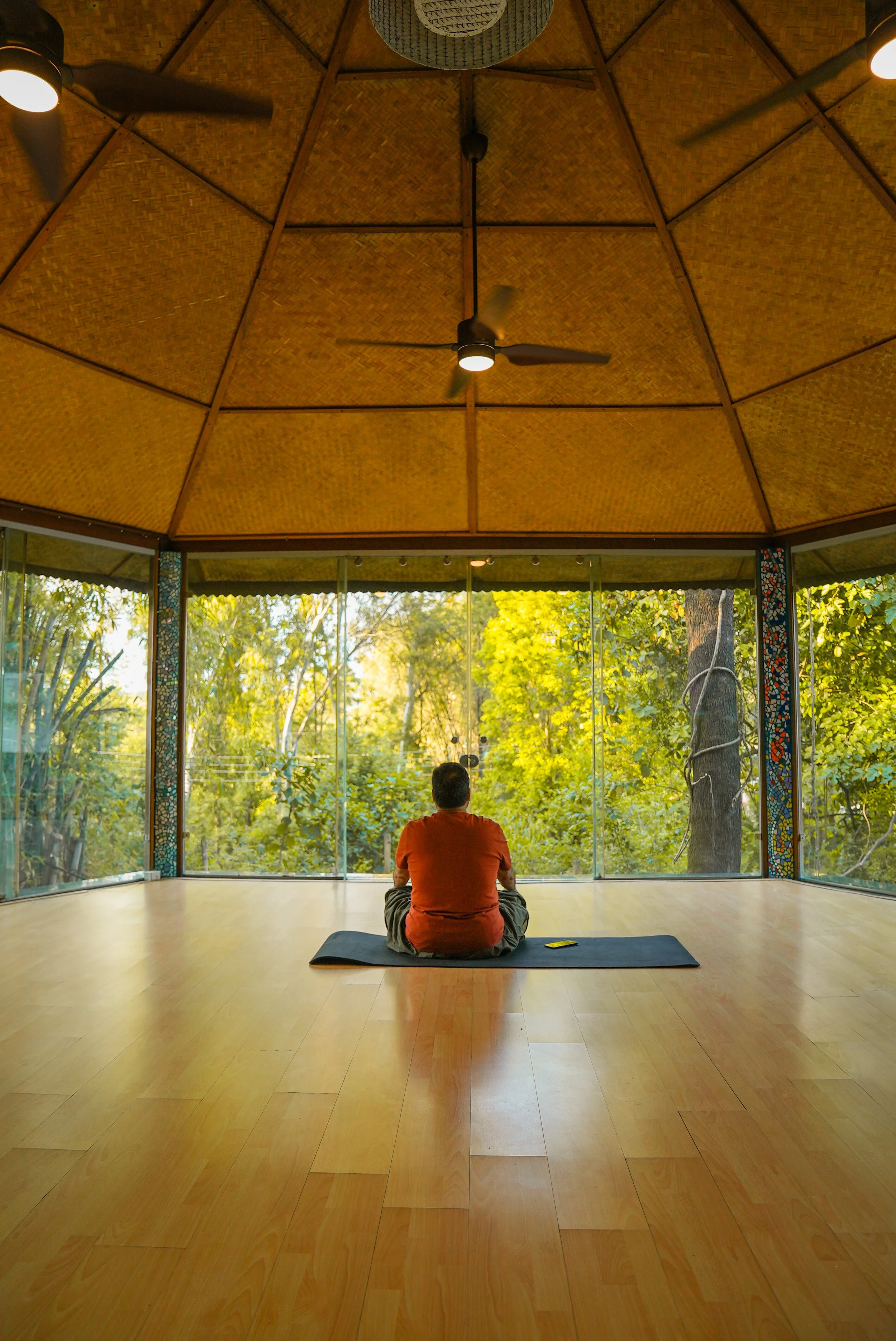
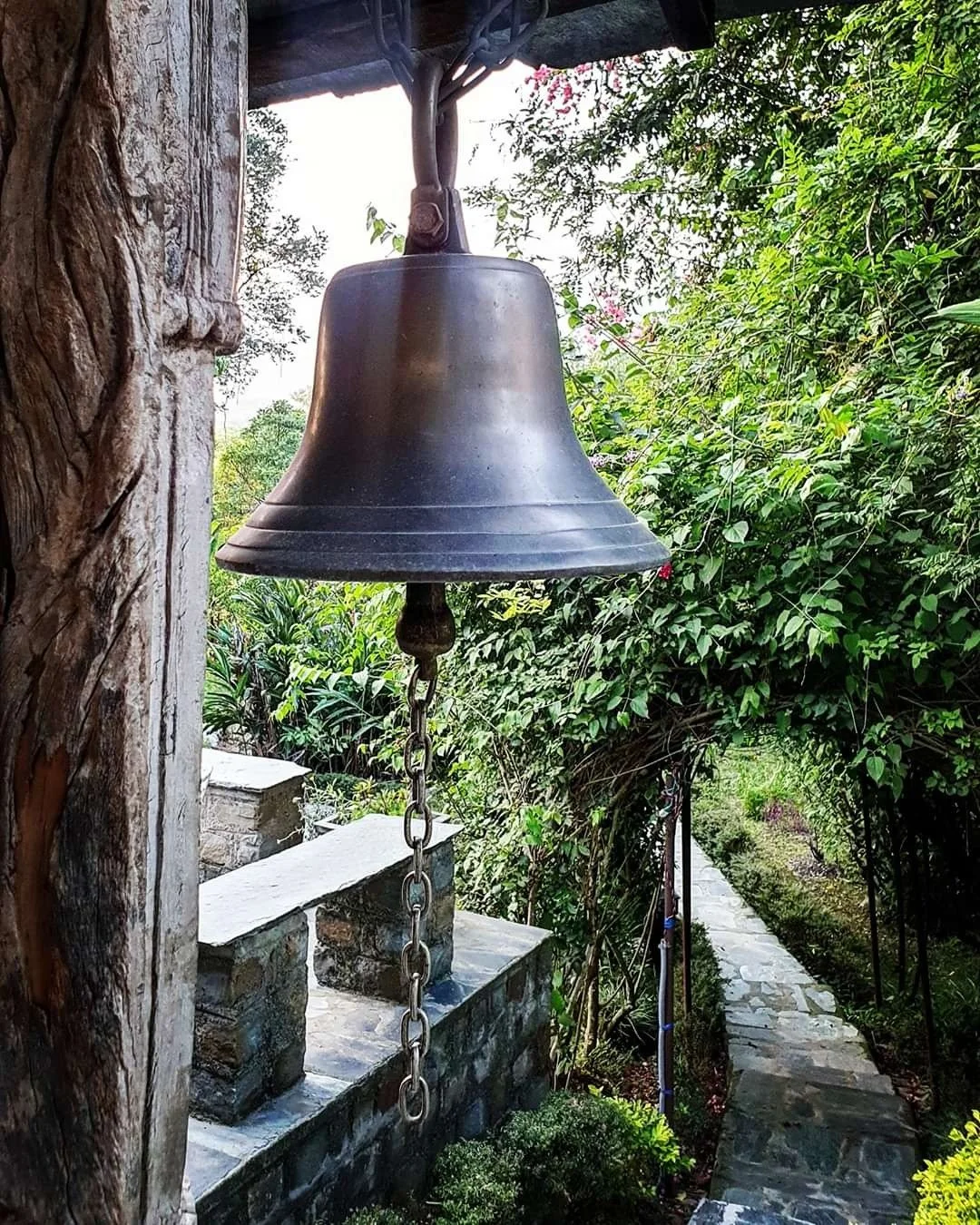
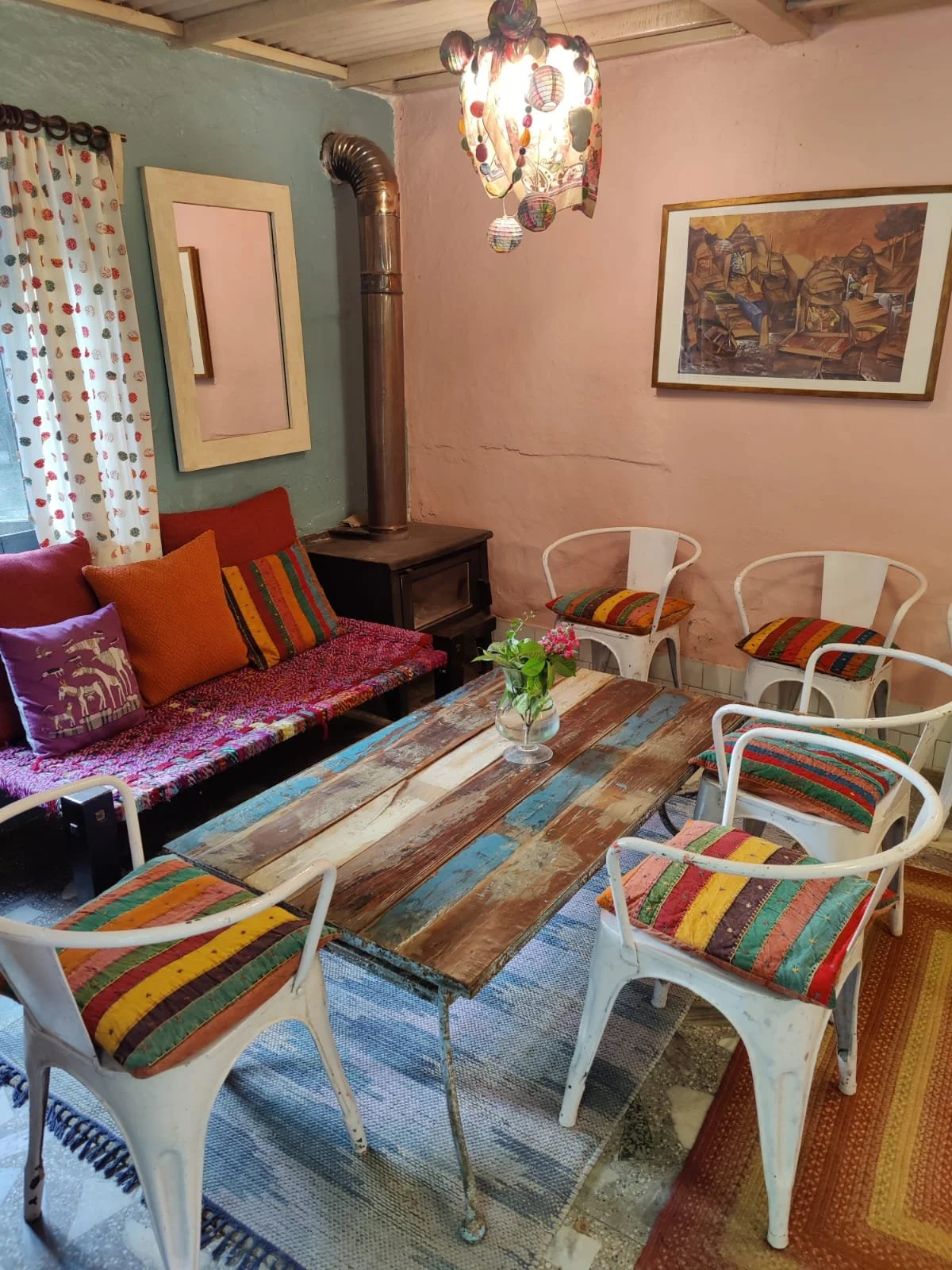
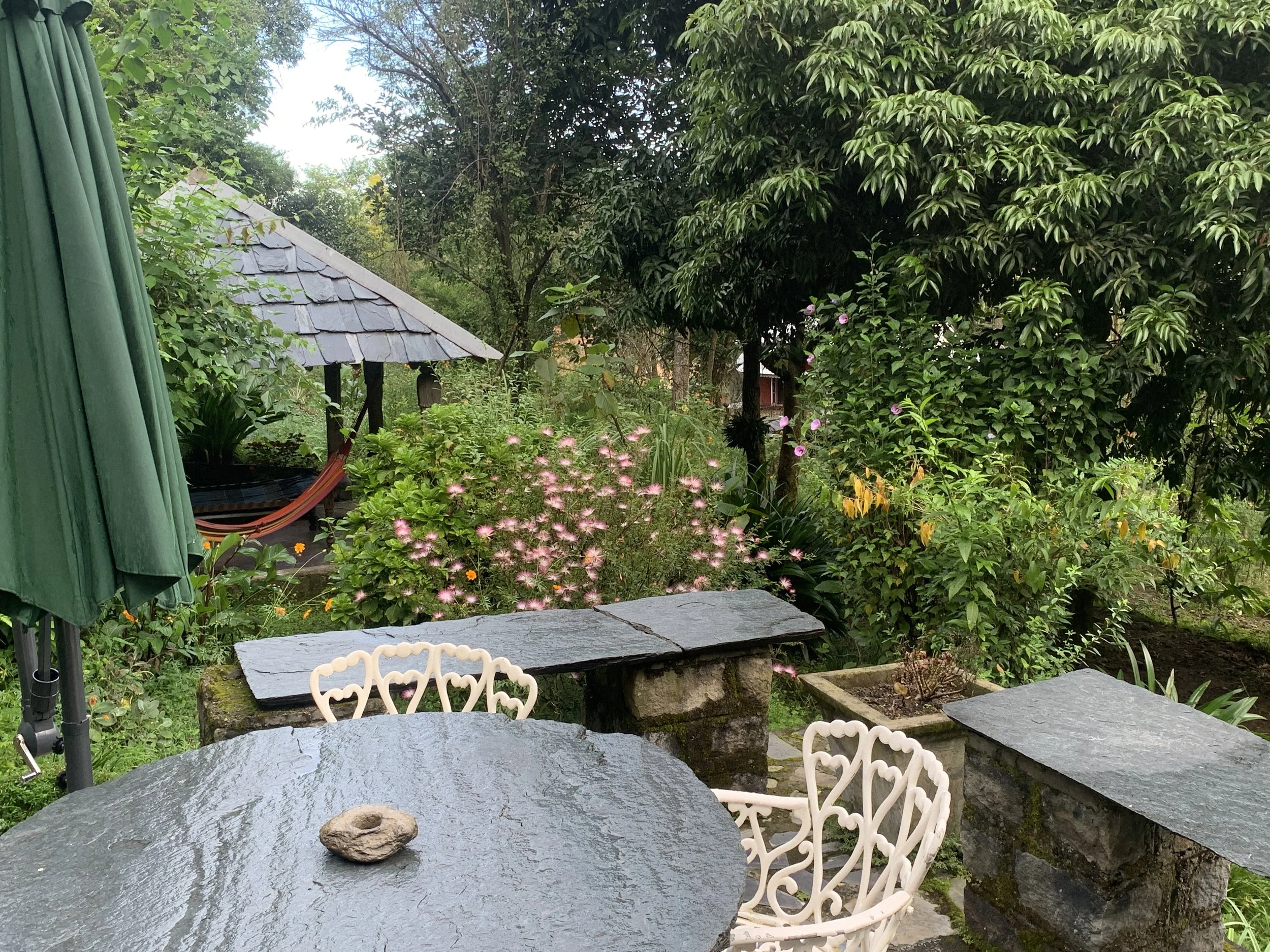
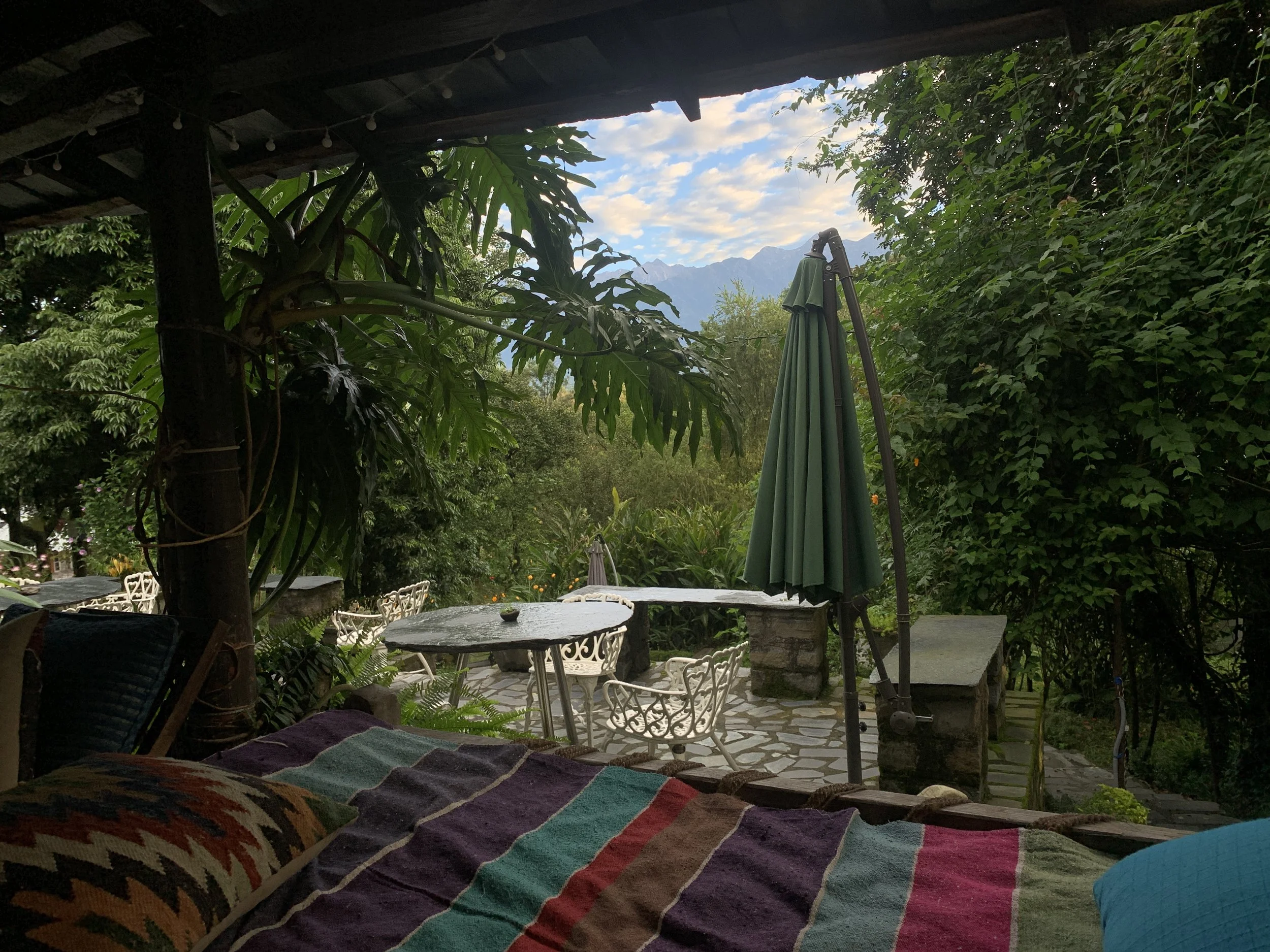
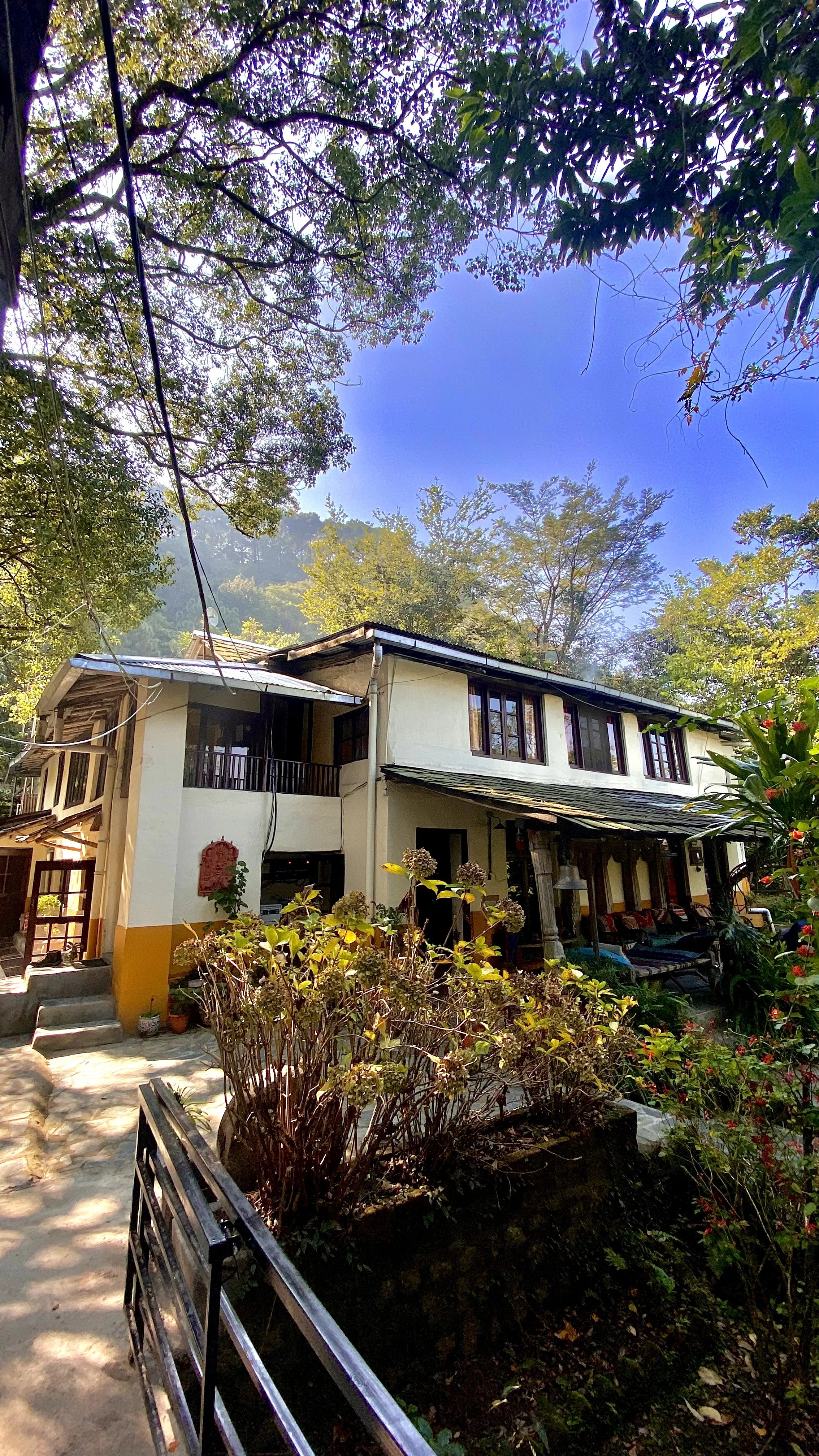
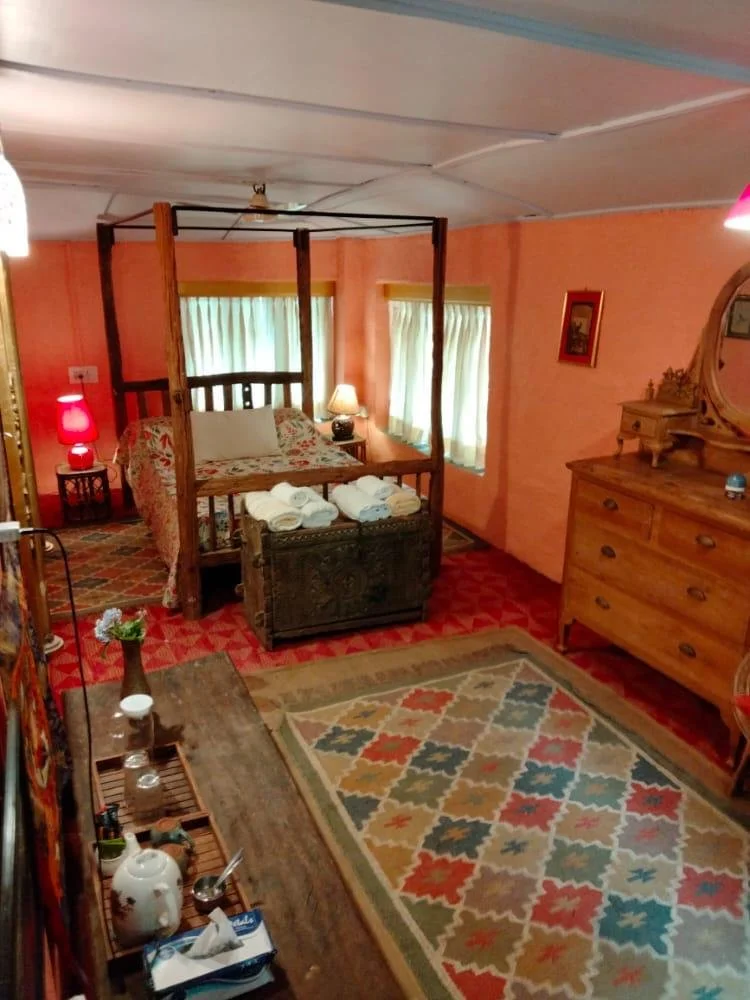
A boutique heritage homestay tucked into the idyllic Andretta artist's village, surrounded by dense foliage and backed by jungle and bamboo groves, with the Himalayas in the distance. It's a lush, quiet setting we chose for the training container. The property has held onto its original charm for years, and remains one of the finest retreats in Himachal Pradesh.
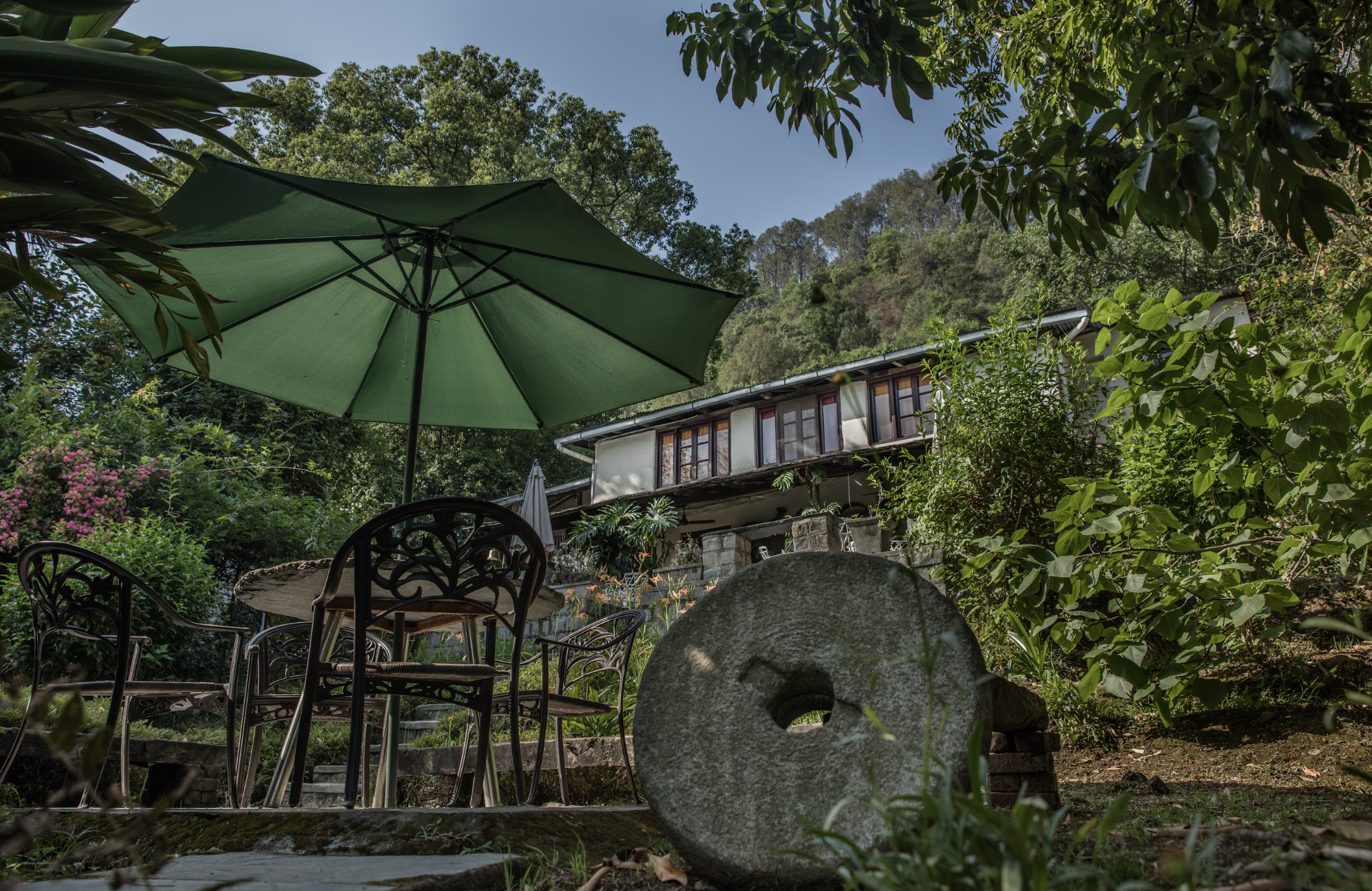
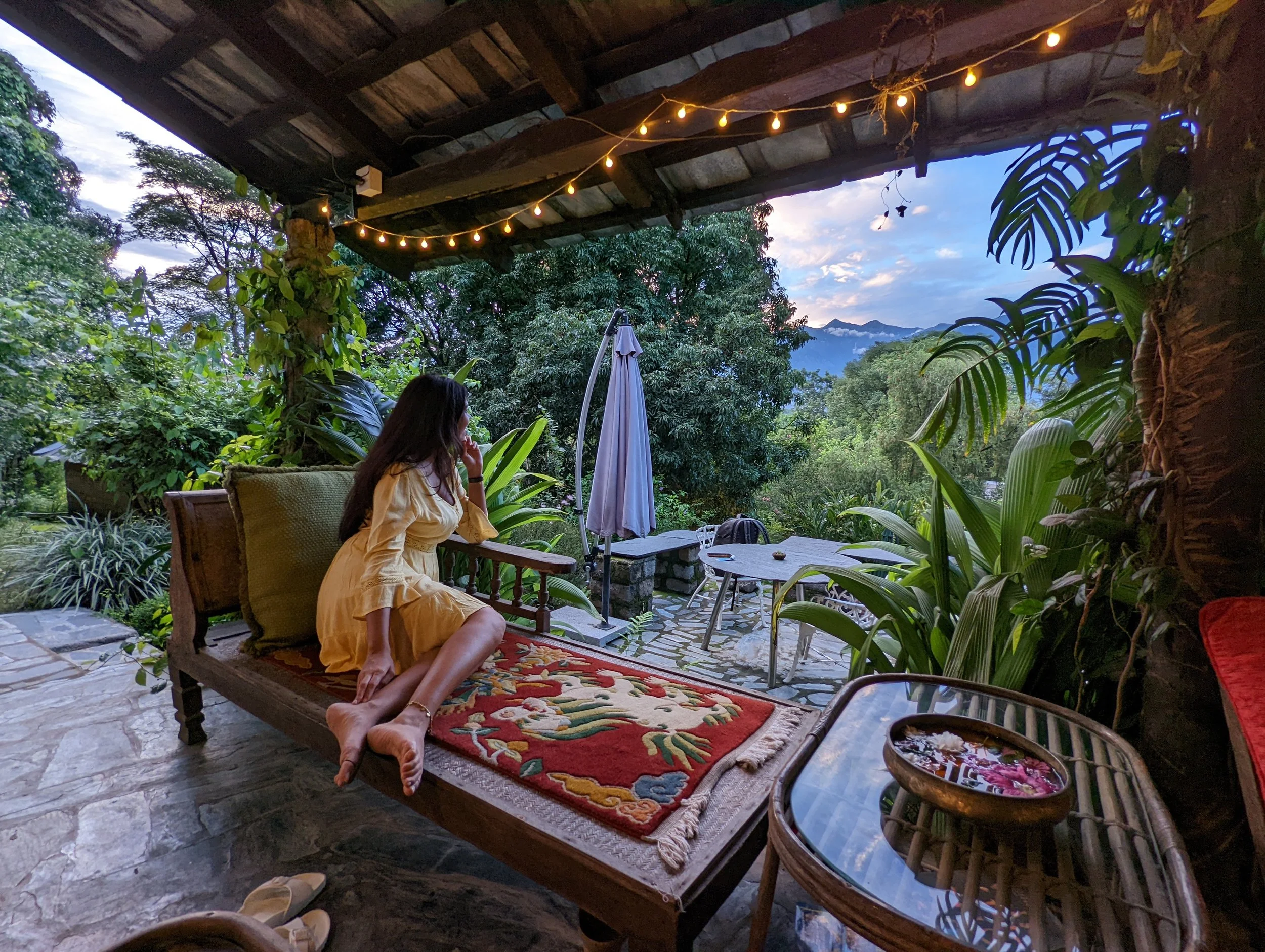
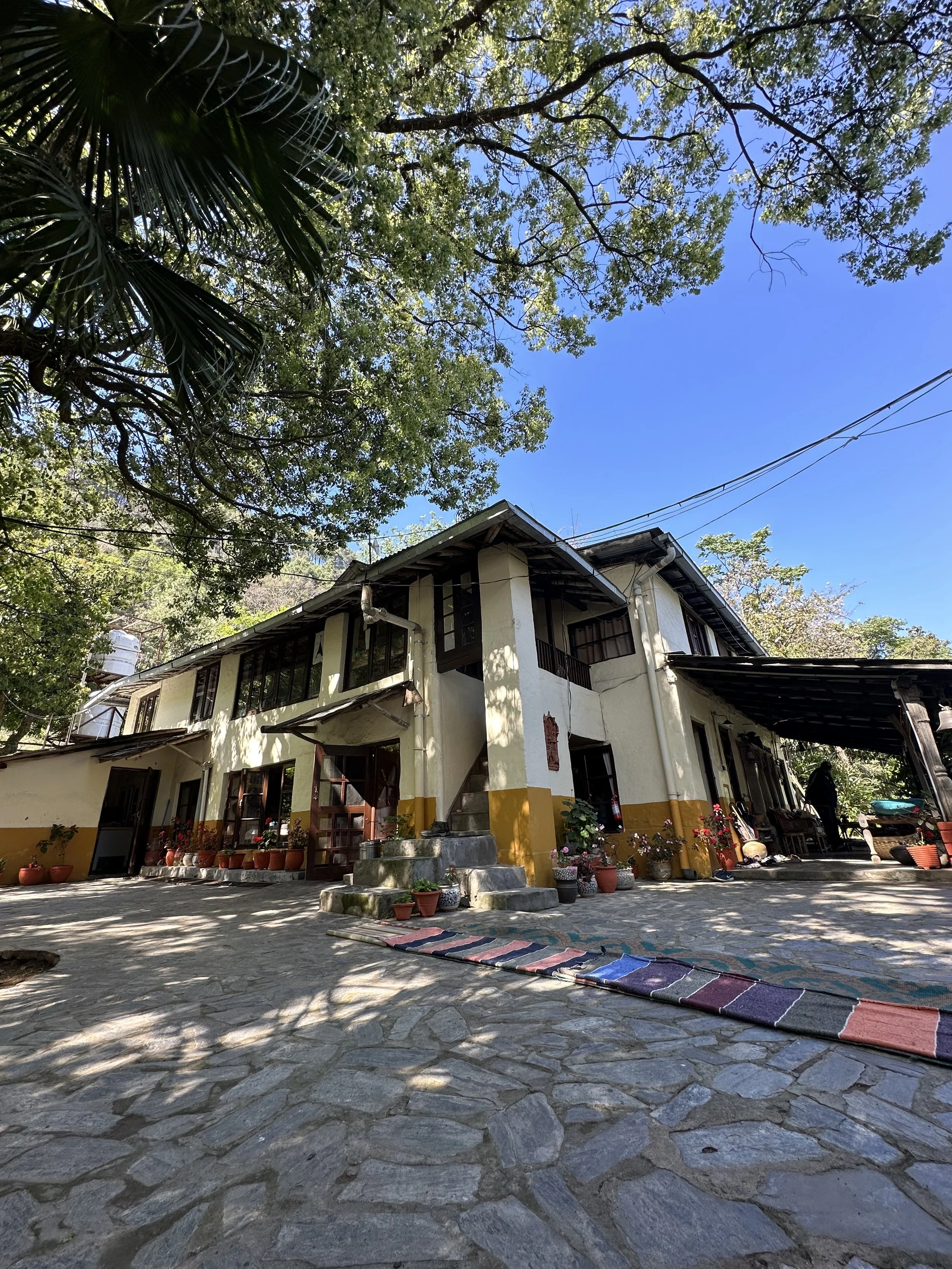
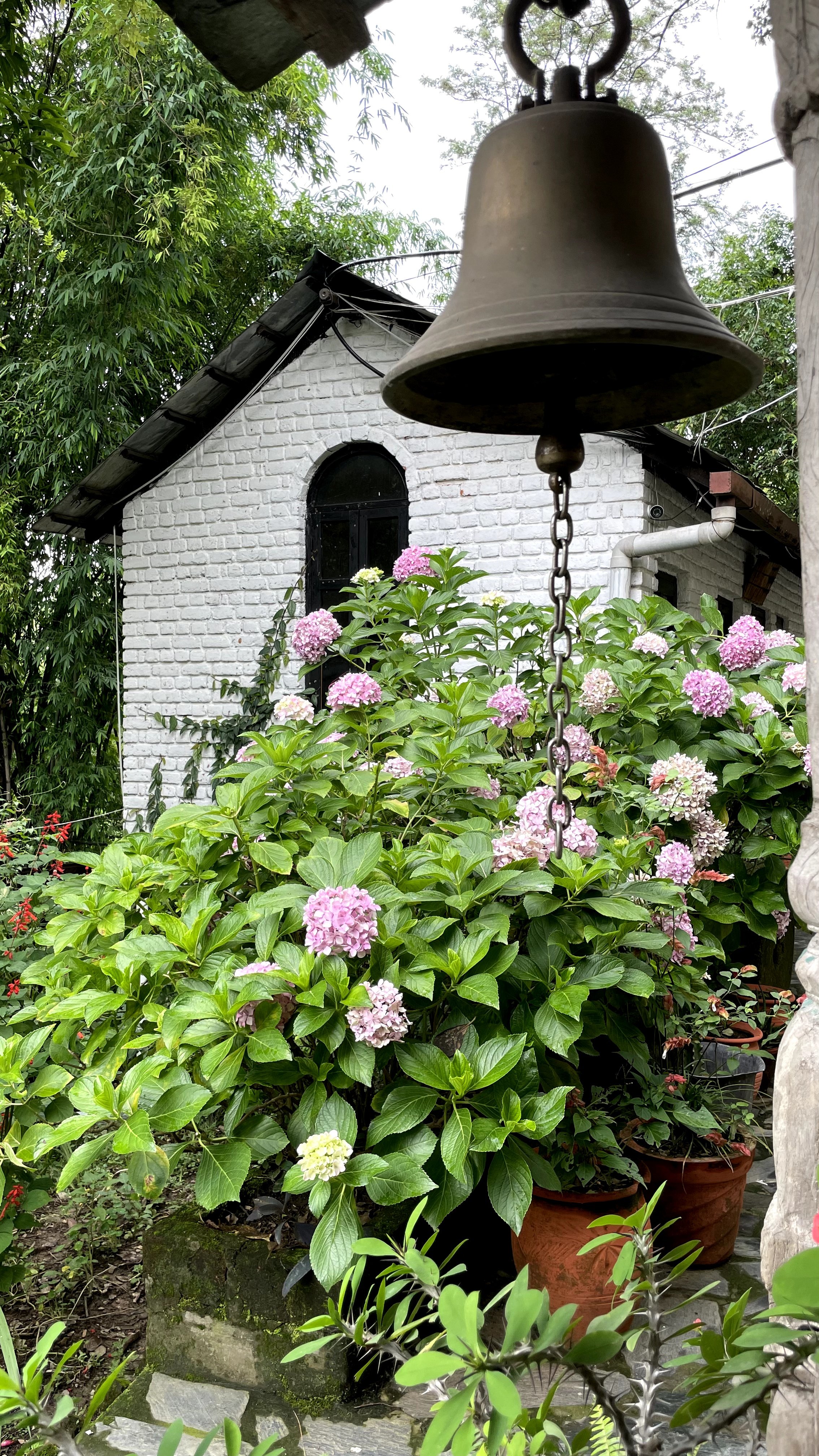
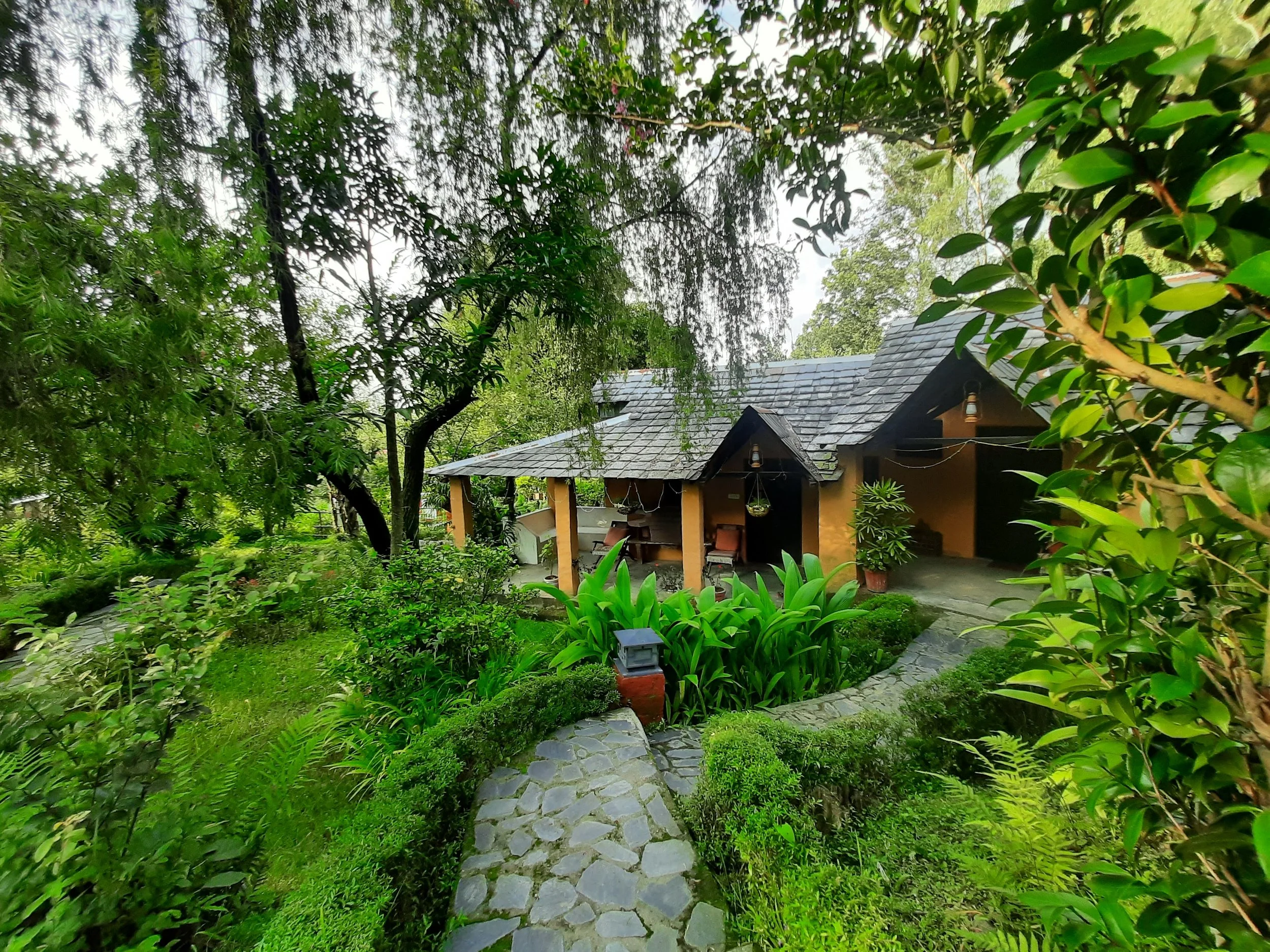
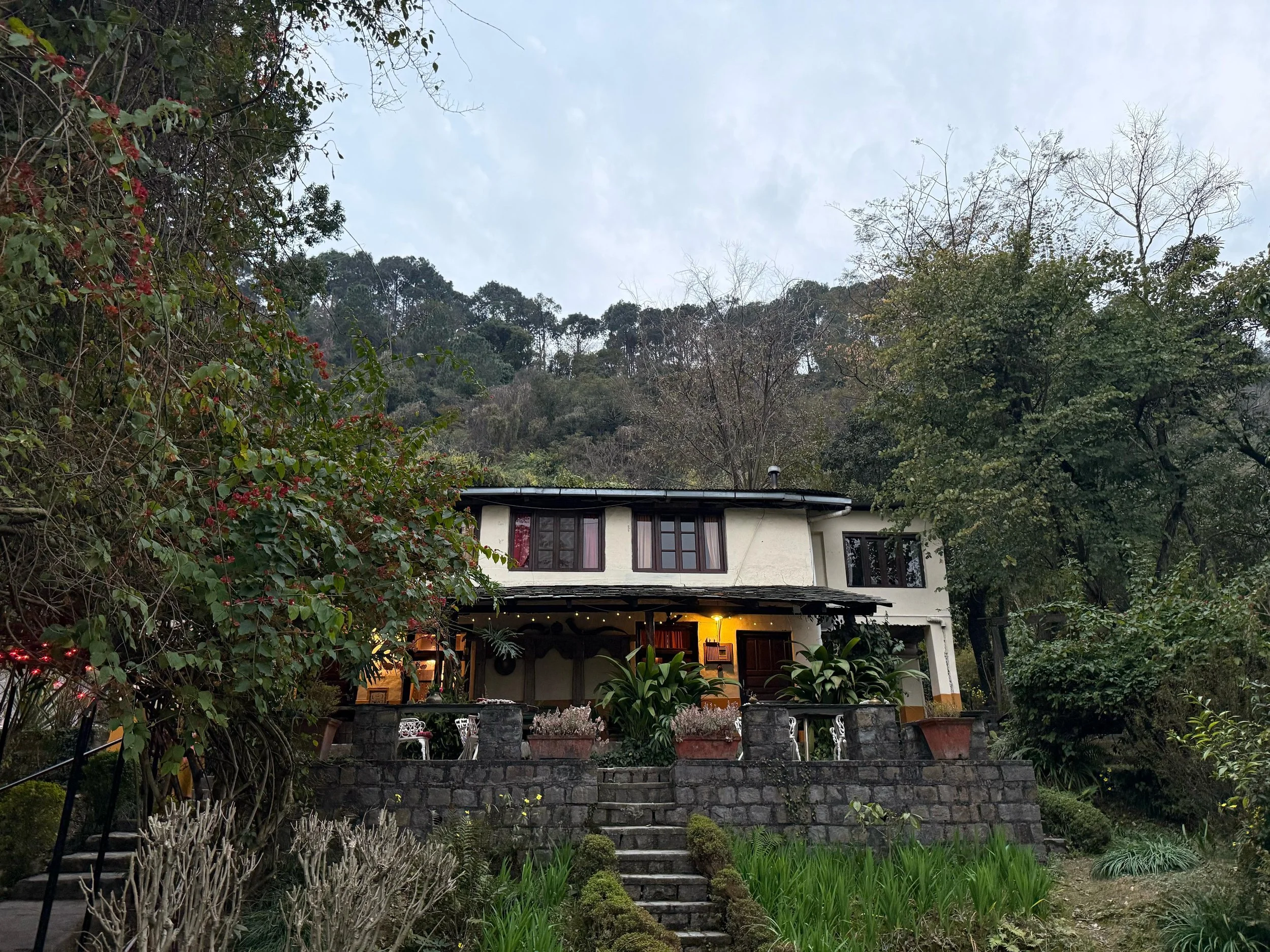

Accommodation
The accommodation across the venue comprises 7 rooms with twin beds and 3 rooms with queen size beds.
With only 3 private rooms available, they tend to go first — worth booking early if you'd prefer your own space.
Location
Address: Andretta, Palampur, Himachal Pradesh, India - 176103
How to arrive: You can arrive in India at New Delhi, Chandigarh or Amritsar international airports. These are the nearest international airports.
From New Delhi: If you arrive via New Delhi Airport, you take a flight to Dharamshala and a taxi for 1hr and 30 minutes straight to The Mirage. We can arrange group shares for the taxi ride once we know individual flight times.
For those who wish to extend their trip…
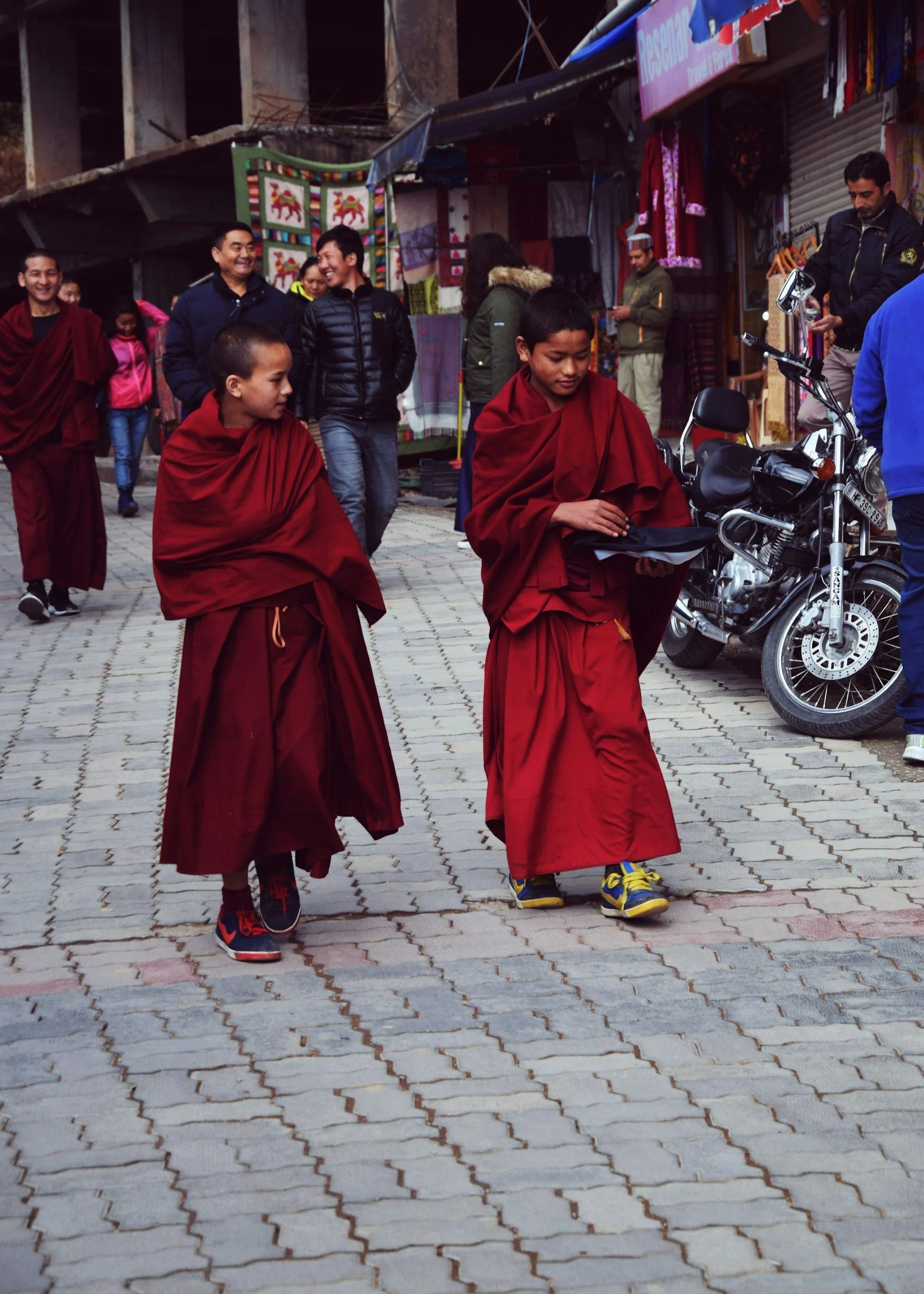
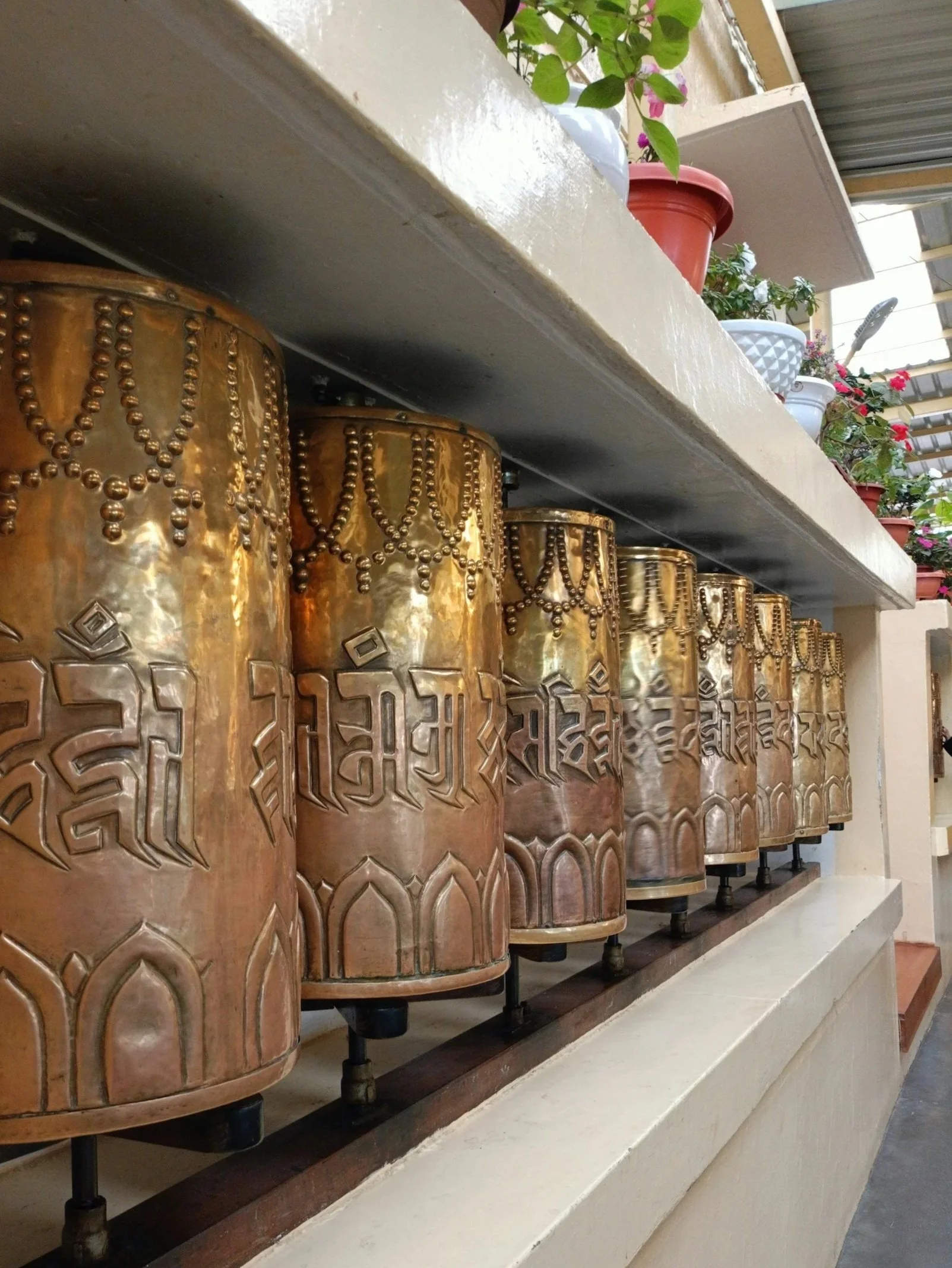
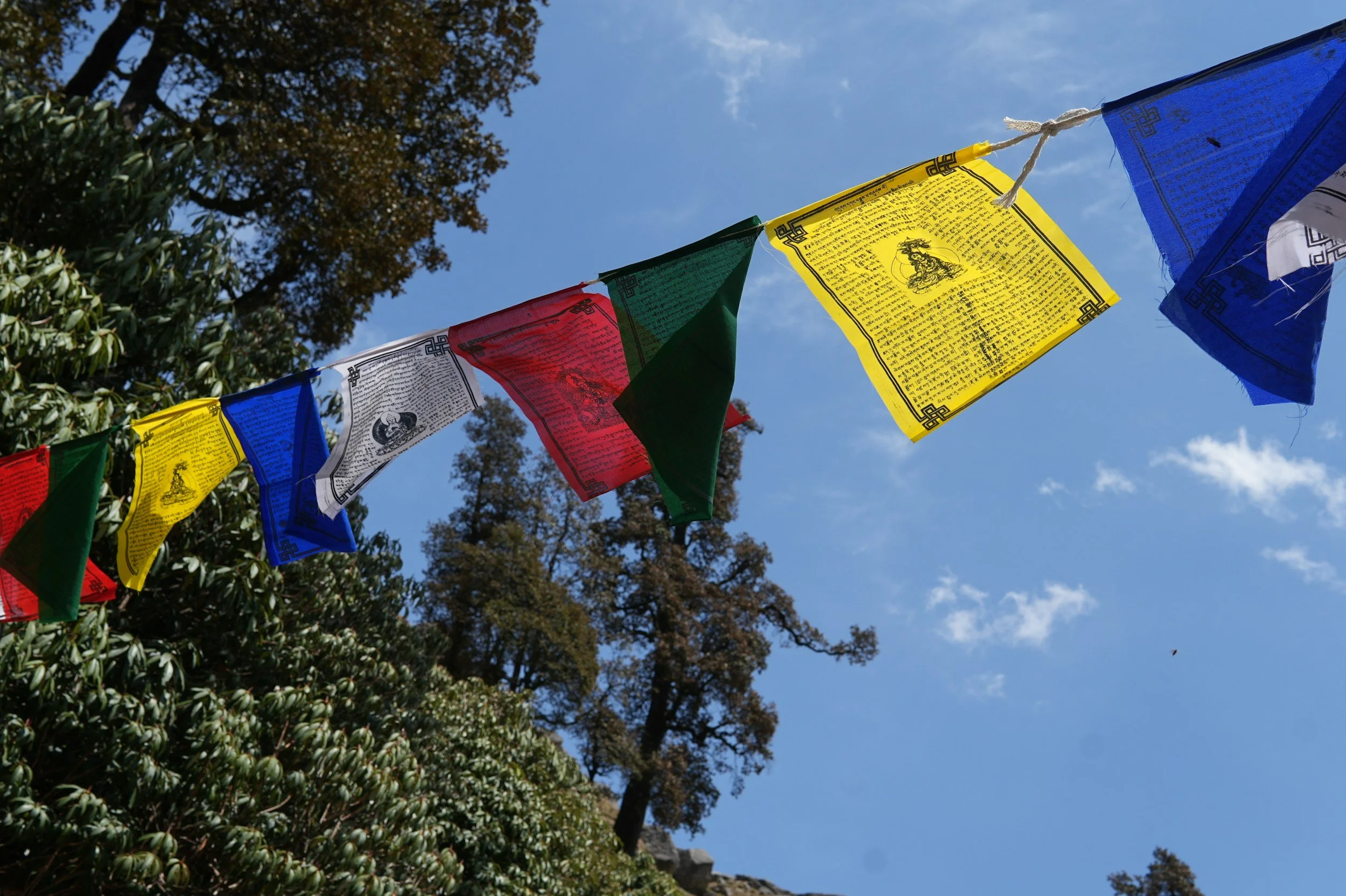
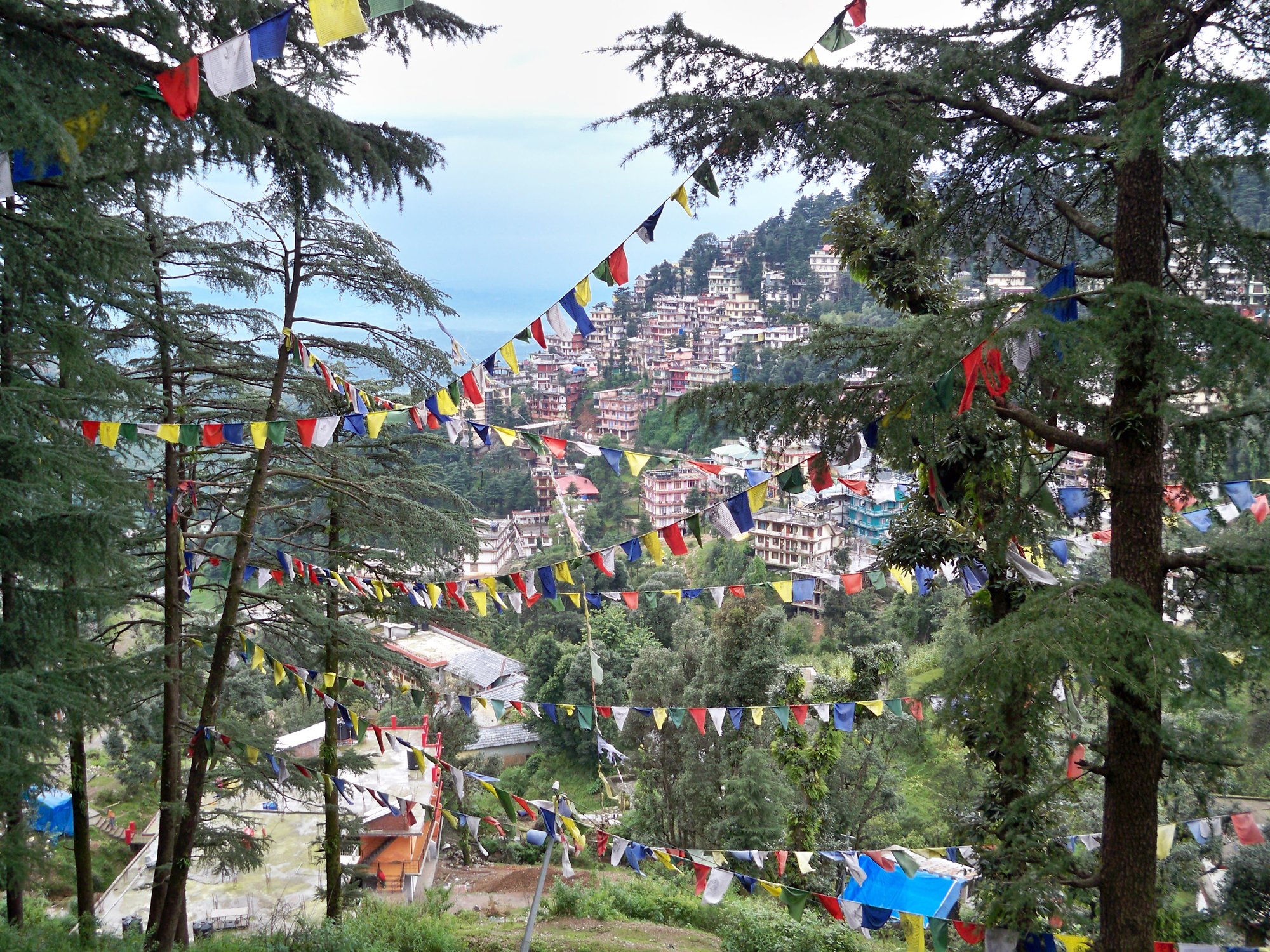
We're close to the town of Dharamshala. Nearby is the Dalai Lama's residence, where you can visit his temple and, when public teachings are running, hear him speak — some visitors are also able to receive a blessing. Soak up the fresh mountain air in Dharamkot, browse local goods and thangka paintings, or read a book with views across the valley. May is one of the best months in this part of Himachal Pradesh, with plenty of sunshine — perfect for hiking the hills around town.
Meet Jason
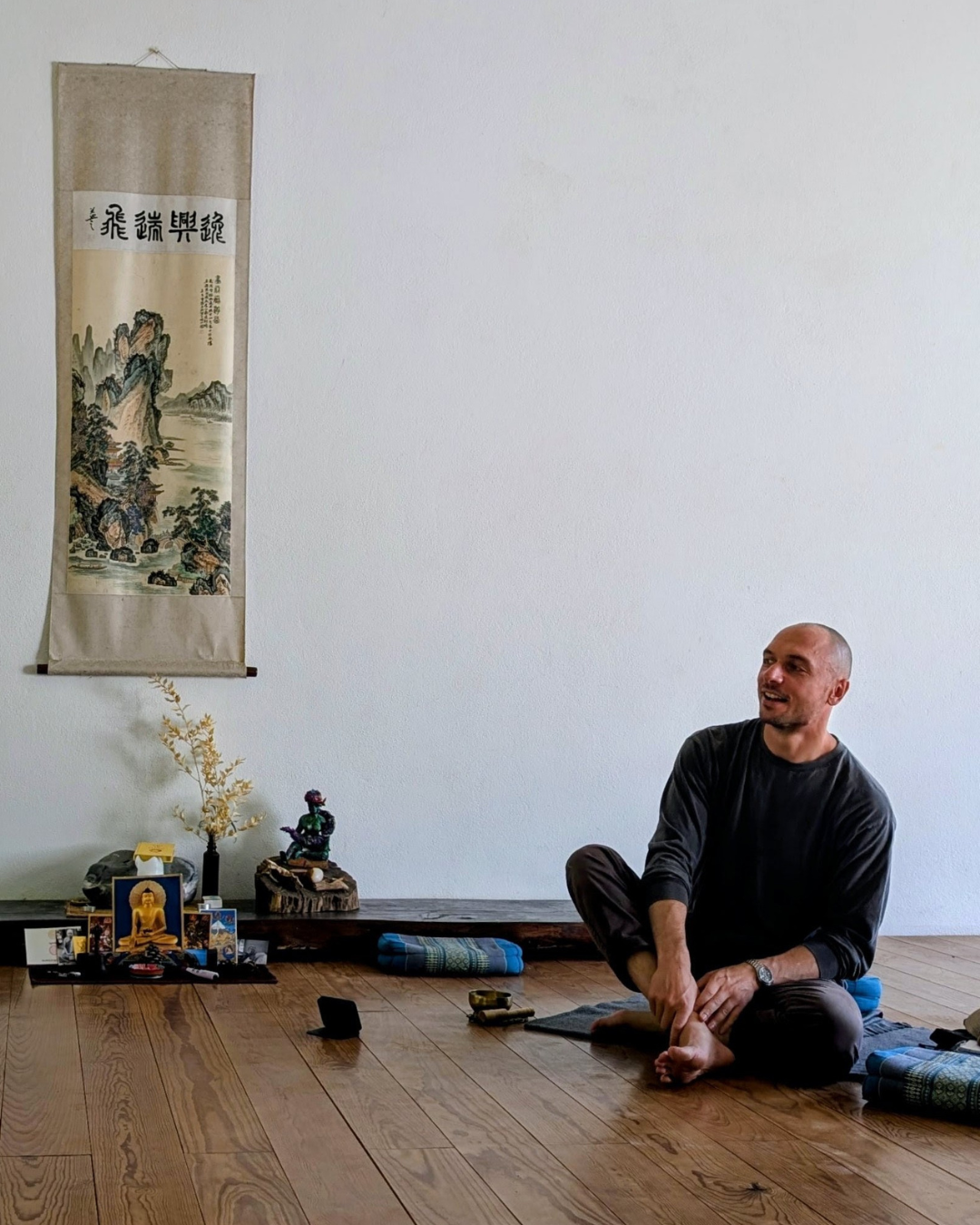
I first found Buddhism in my early twenties, on a Vipassana retreat in Lumbini — and the rabbit hole just kept getting deeper. Since then, the path has taken me from Zen basements in London to Vajrayana empowerments in Northern India with Dzongsar Khyentse Rinpoche, and a long stretch of insight practice in the Theravada and Thai Forest tradition. I was once determined to ordain as a monk, though life had other plans. These days I teach through my own retreats and trainings, although non-attachment remains a work in progress – my one unshakeable exception is a decent cup of coffee.
Reserve Your Place
🗓️ Dates: 2nd – 23rd May 2027
🕑 Arrival Time: 2-4pm on the 2nd
👋 Departure: Time By 2pm on the 23rd
Schedule: 5.5 days on, 1.5 days off each week
👥 Places: Limited to 17 participants only
🕰️ Early-Bird Pricing Until: 7th February 2027
Twin Room Option(Shared room)
Standard Cost: £2,495 per person
Early‑Bird: £2,245 per person

Private Room Option(Only 3 available)
Standard Cost: £2,725 per person
Early‑Bird: £2,450 per person

Payment Terms
Deposit
The deposit is required to secure your place for the training. The deposit is refundable if cancelled 6+ months from the start date. The deposit is non-refundable and non-transferable within 6 months from the start date. The deposit cannot be applied to other courses or dates, but the full retreat payment can be allocated to a future date (see below).
Remaining Balance
The remaining balance (total cost minus deposit) is due at least 6 weeks before retreat start date.
We'll email you a link to pay it once your deposit has been received.
Payments
£929 deposit or full payment secures your place
To qualify for early-bird pricing, full payment must be received by 7th February 2027
If a deposit is paid but the full balance isn't received by 7th February 2027, the booking reverts to the standard rate
Cancellation Policy excluding the deposit;
50% refund of payments made, excluding the deposit, if you cancel 6+ months from the training start date
25% refund of payments made, excluding the deposit, if you cancel 3 - 6 months before the training start date
No refunds issued if you cancel less than 3 months of the training start date
Full retreat payments can be allocated to a future date used within an 18-month period, on the basis we are informed 2 months from the start date. Within 2 months, all payments are non-transferable and non-refundable
Payment Plans
Reach out direct if you need a payment plan. We can accommodate a two or three tiered payment plan if required.